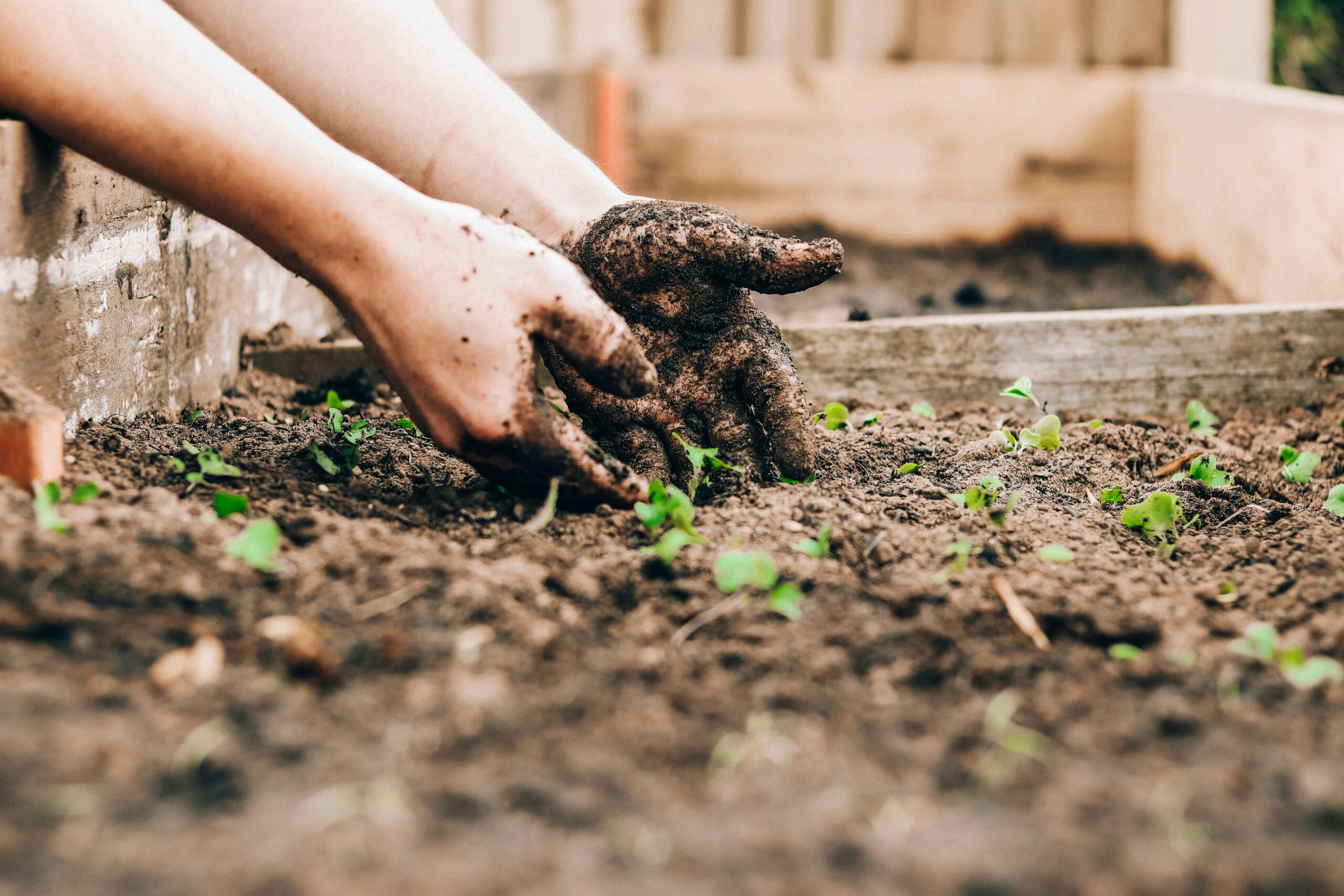
Few things are more frustrating than buying a healthy plant only to watch it struggle a few weeks later. You water it, place it near a bright window, and even feed it occasionally, yet the leaves still yellow or the roots begin to rot. In many cases, the problem is not the plant itself. It is the soil.
Finding the right plant soil mixture can feel overwhelming because every guide recommends something different. The good news is that most plants only need a few basic ingredients mixed in the right proportions. Once I stopped treating every plant the same and started matching the soil to its natural habitat, I noticed healthier roots, fewer watering problems, and much stronger growth.
Let’s begin with the most important question: why does the right soil matter so much?
Why every plant needs a different plant soil mixture
Plants grow in different environments. Cacti evolved in dry deserts, while ferns naturally grow on damp forest floors. Using the same potting mix for both usually creates problems.
A good soil mix does four things:
- Holds enough moisture
- Drains excess water
- Allows roots to breathe
- Supplies nutrients without becoming compacted
Research from university horticulture programs consistently shows that proper drainage and aeration are just as important as fertilizer for healthy container plants.
The basic ingredients you should keep at home
You do not need dozens of expensive products. I usually keep these affordable ingredients on hand:
- Quality potting soil
- Coco coir or peat moss
- Perlite
- Pumice (optional)
- Coarse sand
- Orchid bark
- Finished compost
- Worm castings
With these few materials, you can create almost every common soil for garden containers and indoor plants.
1. Indoor plant soil mixture
Most tropical houseplants prefer soil that stays slightly moist without becoming soggy.
DIY recipe
- 2 parts quality potting soil
- 1 part perlite
- 1 part coco coir
- Small handful of compost or worm castings
This mix drains well while still holding enough moisture for plants like pothos, philodendrons, monsteras, peace lilies, and rubber plants.
Affordable premade option
A general indoor potting mix with added perlite works well. Later, you can improve it by mixing in extra perlite if you notice the soil staying wet for several days.
2. Cactus soil mixture
Cactus roots hate sitting in water. Fast drainage matters more than rich nutrition.
DIY recipe
- 1 part potting soil
- 1 part coarse sand
- 1 part perlite or pumice
The large particles create air pockets that help roots dry between waterings.
Affordable premade option
Most cactus and succulent potting mixes sold in garden centers work well. If the mix feels too dense, simply add extra pumice or perlite.
3. Succulent soil mixture
Succulents need similar drainage but often appreciate slightly more moisture than desert cacti.
DIY recipe
- 2 parts cactus soil
- 1 part perlite
- Small amount of compost
This combination dries quickly while still providing nutrients during active growth.
4. Fern soil mixture
Ferns naturally grow in rich woodland soil that stays evenly moist.
DIY recipe
- 2 parts coco coir
- 2 parts potting soil
- 1 part compost
- 1 part orchid bark
This mixture keeps moisture available while preventing the roots from becoming waterlogged.
Premade alternative
An indoor potting mix improved with orchid bark and compost usually gives excellent results.
How to mix your own soil
You do not need special equipment.
- Measure each ingredient with the same bucket or container.
- Mix everything thoroughly in a large storage bin.
- Break apart any large clumps.
- Lightly moisten the soil before potting.
- Fill containers without pressing the soil tightly.
Loose soil allows roots to spread much more easily.
How to choose between DIY and premade soil
I enjoy making my own mixes because I can adjust them for each plant. However, a good-quality premade potting mix is often the better choice for beginners.
If you choose a premade mix, consider improving it rather than replacing it. Adding extra perlite, bark, or compost usually costs very little and noticeably improves drainage and structure.
Simple signs your soil needs adjusting
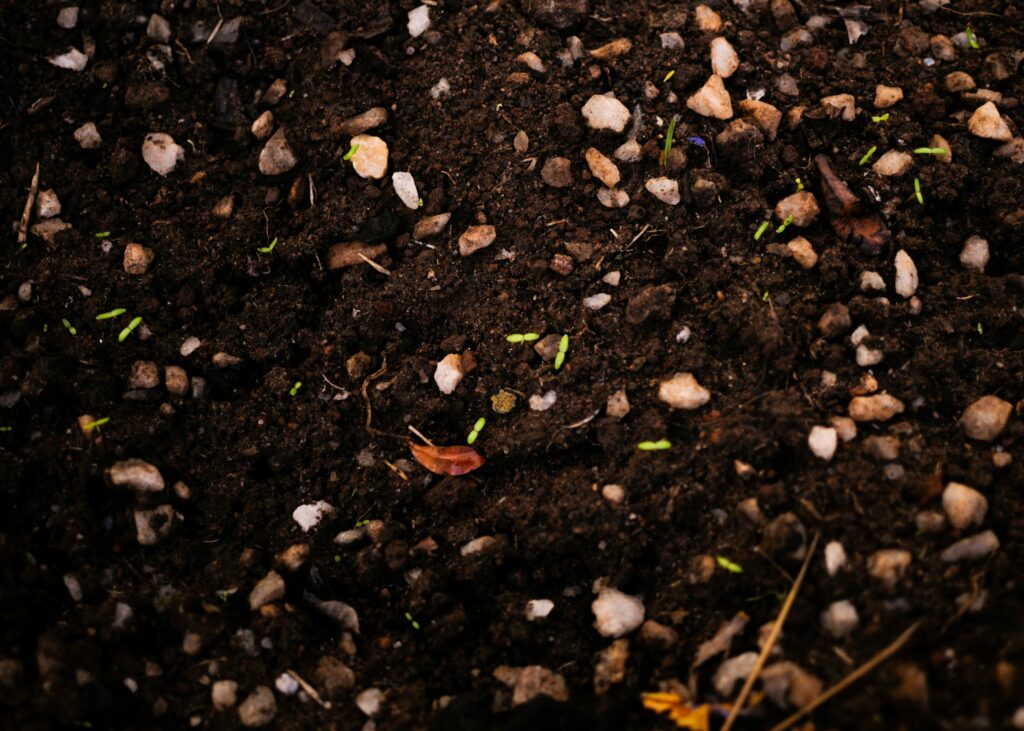
Your soil is often telling you what is wrong.
If water sits on the surface for several seconds, the mix is probably too compact.
If the pot dries completely every day, it may contain too much sand or perlite.
If you notice white fuzz, you may have plant soil mold. Small amounts are usually harmless and often appear when the soil stays damp for too long. Improving airflow and reducing watering usually solves the problem. A light sprinkle of cinnamon can also help as a simple plant soil mold remedy.
How to store extra soil
Good plant soil storage keeps your ingredients fresh for months.
Store leftover soil in sealed plastic bins or tightly closed bags. Keep them in a cool, dry location away from rain and direct sunlight. Label each mix so you know which one is meant for indoor plants, succulents, or ferns.
This saves time whenever you buy a new plant.
A small trick that makes repotting easier
One habit that has helped me is mixing a larger batch than I need. I fill one airtight container with my favorite indoor mix and another with my cactus mix. The next time I repot a plant, everything is already prepared, and I avoid rushing or guessing the proportions.
One mistake to avoid
Avoid covering the top of the soil with decorative stones immediately after repotting. A heavy plant soil cover can make it difficult to judge moisture levels, especially while the roots are adjusting. Wait until the plant establishes itself before adding decorative toppings.
One thing worth remembering
There is no perfect universal soil. The best plant soil mixture is simply the one that matches how a particular plant naturally grows. Once you understand that idea, choosing or making the right mix becomes much easier.
The right plant soil mixture gives your plants a strong foundation before you think about watering or fertilizer. Whether you choose a homemade blend or improve a quality premade mix, matching the soil to the plant’s needs will help you grow healthier roots, stronger leaves, and happier plants with much less guesswork.
Featured image credit: Photo by Sandie Clarke on Unsplash