
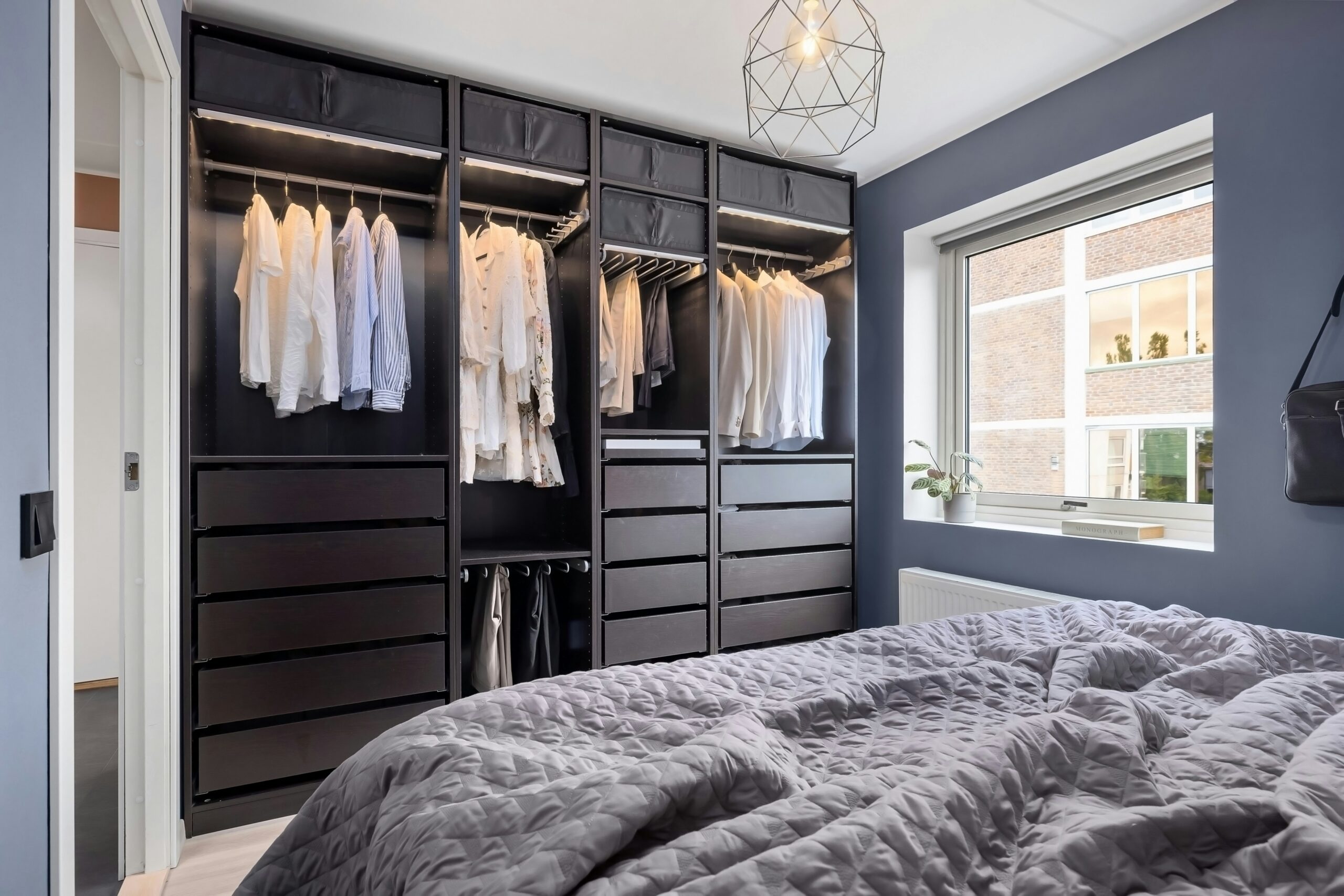
Have you ever opened your wardrobe looking for one specific shirt and somehow ended up moving half your clothes before finding it? Or discovered a sweater stretched out on the wrong hanger, a handbag crushed behind other items, or a favorite outfit hidden so well that you forgot you owned it?
Most wardrobe problems do not happen because people are messy. They happen because the storage system does not match how the wardrobe is used every day. When clothing, accessories, and seasonal items compete for the same space, finding anything becomes harder and maintaining order feels like a constant task.
Over the years, I have learned that good wardrobe organization is less about folding techniques and more about creating a system your brain can follow without effort. The goal is simple: make items easy to find, easy to put away, and easy to protect from unnecessary wear. Let’s start with the foundation that makes every other organizing step work better.
1. Empty Everything Before You Reorganize
Whenever I reorganize a wardrobe, I start by removing everything. This may seem like extra work, but it helps you see the full picture. Hidden items, duplicate pieces, and forgotten clothing become obvious once everything sits in one place.
Create four categories:
- Wear regularly
- Wear occasionally
- Seasonal items
- Donate or remove
This step prevents you from organizing items that no longer serve a purpose.
Also read: 50 Tiny Things to Declutter That Quietly Make Your Home Feel Messy
2. Use the “Frequency of Use” Method
One of the most practical storage principles comes from cognitive organization research. People naturally reach for items they use most often and remember locations based on repeated habits.
Instead of organizing by color first, organize by frequency.
Place:
- Daily clothing at eye level
- Weekly-use items on secondary shelves
- Seasonal items in higher or lower storage areas
Your brain remembers routines more easily than visual categories alone. This is one of the most effective wardrobe organization systems because it reduces daily decision-making.
Also read: 5 Decluttering Methods Compared: Which One Works Best for You?
3. Separate Hanging, Folding, and Stacking
Many wardrobes become crowded because every item gets stored the same way. Different fabrics need different storage methods.
Hang These Items
- Dresses
- Blazers
- Shirts
- Formal trousers
- Coats
Fold These Items
- Knitwear
- Sweaters
- Sweatshirts
- T-shirts
Store Flat When Possible
- Delicate fabrics
- Silk garments
- Embellished clothing
Heavy knitwear often stretches on hangers. Folding these items helps preserve their shape over time.
4. Create Categories Before Colors
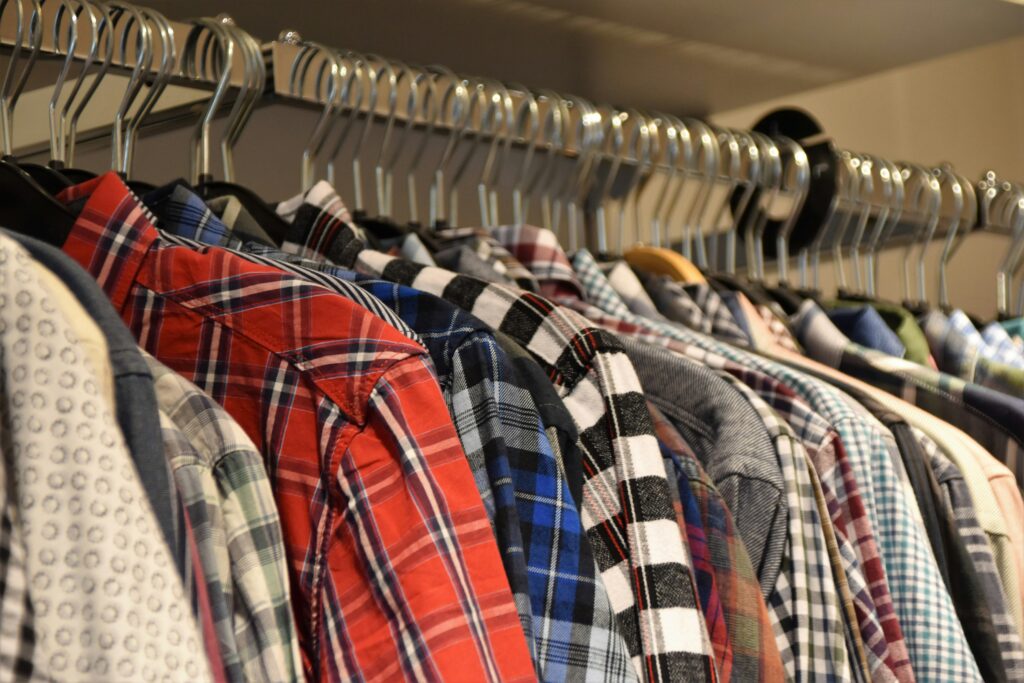
Many Pinterest wardrobes look beautiful because they are arranged by color. However, color should come after function.
First organize clothing by category:
- Workwear
- Casual clothing
- Activewear
- Sleepwear
- Special occasion outfits
Then arrange colors within those categories if you enjoy a visually coordinated look. This approach helps you find clothing faster because you search by purpose before appearance.
5. Use Vertical Folding for Drawers
Traditional stacking hides clothing underneath other clothing. Vertical folding allows you to see everything at once. For example: Instead of stacking ten T-shirts on top of each other, fold them upright so each shirt remains visible. This technique gained popularity through various home organization methods because it reduces forgotten items and improves accessibility.
When people discuss practical wardrobe storage ideas, this method often provides one of the biggest improvements.
6. Give Accessories Their Own Dedicated Zone
Accessories frequently create hidden clutter. Belts, scarves, handbags, jewelry, and sunglasses often end up scattered throughout the wardrobe. Create separate storage areas for:
Bags
Store upright on shelves or dividers.
Belts
Use hooks or rolled storage.
Scarves
Fold neatly inside shallow bins.
Jewelry
Use drawer inserts or compartment trays. Accessories last longer when they are not crushed beneath clothing.
7. Build a Seasonal Rotation System
One mistake I frequently see is storing every season’s wardrobe in the same space. Instead, rotate clothing twice per year. Store off-season items in:
- Fabric storage bags
- Under-bed containers
- Upper wardrobe shelves
This creates breathing room and makes daily outfit selection easier. Of course, some climates require year-round access to certain clothing. In those cases, keep versatile pieces available and rotate only highly seasonal items.
8. Protect Fabrics From Damage
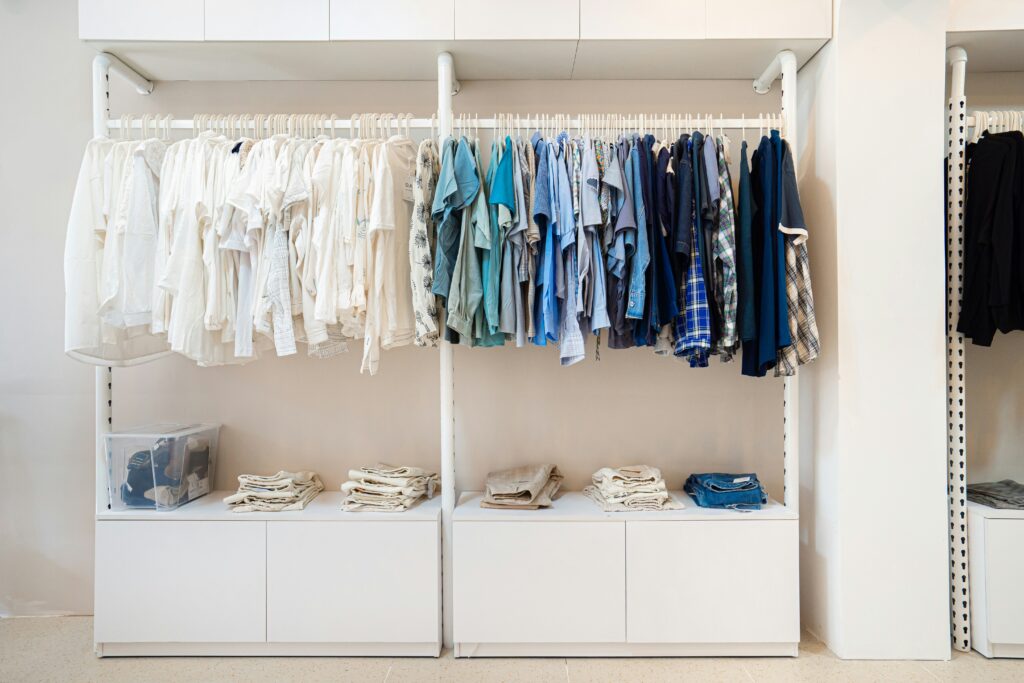
Storage is not only about organization. It is also about preservation. Different fabrics require different care. Consider the following:
- Use padded hangers for delicate garments.
- Avoid wire hangers that distort clothing.
- Allow airflow between garments.
- Store leather items away from direct sunlight.
The goal is to prevent damage before it happens rather than repairing it later.
9. Use Organizers That Solve Specific Problems
Many people purchase storage products before identifying their actual storage issues. I believe the most useful organizers solve a clear problem. For example:
- Shelf dividers prevent clothing piles from collapsing.
- Drawer organizers separate small items.
- Hanging organizers add storage to unused vertical space.
- Handbag organizers help bags keep their shape.
This is where affiliate product recommendations fit naturally because different wardrobe layouts benefit from different solutions.
10. Design Your Layout Around Daily Movement
A wardrobe should support how you get dressed. Think about your typical morning. Which items do you reach for first? Place those items in the most accessible locations.
For example:
- Daily clothing near eye level
- Frequently worn shoes near the bottom front
- Work accessories close together
This approach reduces searching and supports automatic habits.
11. Create a Monthly Reset Routine
Even the best wardrobe systems drift over time. Set aside 15–20 minutes once a month to:
- Return misplaced items
- Re-fold drawers
- Rotate seasonal pieces if needed
- Check for clothing repairs
- Remove items you no longer wear
Small maintenance sessions often prevent large reorganizing projects later.
What Makes a Good Wardrobe Layout?
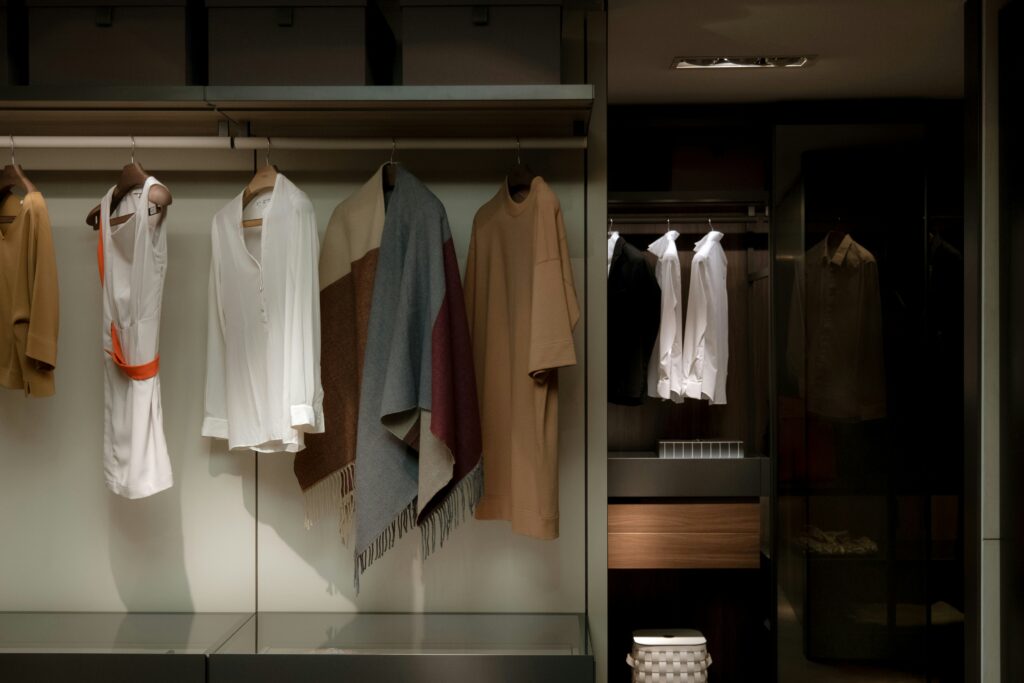
If you are buying a new wardrobe or redesigning an existing one, prioritize flexibility over appearance. A practical wardrobe internal layout usually includes:
- Hanging space
- Adjustable shelves
- Deep drawers
- Accessory storage
- Upper storage for seasonal items
Many people underestimate drawers. In reality, drawers often provide some of the most efficient storage because they support folded clothing, accessories, and smaller wardrobe essentials.
The best wardrobe ideas usually combine hanging space with enclosed storage rather than relying heavily on one method.
Also read: Decluttering Tips: How to Declutter Your Closet in Just One Weekend
A Small Trick That Helps More Than Expected
Turn all your hangers in one direction. After wearing an item, return the hanger facing the opposite direction.
After several months, you will clearly see which clothes you actually wear. This makes future decluttering decisions much easier without requiring detailed tracking.
What Often Causes Storage Problems
Avoid filling every shelf completely. Overpacked wardrobes make items harder to find, increase fabric wrinkles, and create pressure on delicate materials. A little empty space improves visibility and often helps clothing stay in better condition.
One Thought Worth Keeping in Mind
The most organized wardrobe is not necessarily the one that looks perfect in photographs. It is the one that supports your daily routine with the least amount of effort. Function usually creates lasting organization more effectively than appearance alone.
Good wardrobe organization combines accessibility, protection, and simplicity. When you organize by frequency of use, store fabrics appropriately, rotate seasonal items, and use practical organizers where needed, your wardrobe becomes easier to maintain and easier to navigate. The goal is not perfection. It is creating a system that helps you find what you need quickly while keeping your clothing in good condition for years to come.
Leave a Reply