
If you’ve ever stood in a grocery store, staring at sad-looking tomatoes, and thought “I wish I could grow my own,” this article is for you. You do not need a backyard. You do not need a lot of money. You just need a pot, some sunlight, and a little bit of patience. Growing vegetables at home is one of the most rewarding things you can do. And honestly? It is more doable than most people think. I have been growing vegetables in pots for years, starting from a tiny apartment balcony with just two pots and a dream. So let me walk you through the best vegetables to grow in containers, from the absolute easiest to the slightly more involved ones.
But before we begin…
Here is one golden rule that will save you a lot of heartbreak: pot size matters more than anything else. Most vegetables need at least 12 inches of soil to grow well. Larger vegetables require more space, while a smaller container works fine for shallow-rooted plants like lettuce or other greens. Always go bigger when in doubt. A larger pot holds more moisture and gives roots room to breathe.
Also, always use good-quality potting mix, never plain garden soil. Mix in some compost before planting. Compost feeds your plants slowly and steadily, and it makes a real difference in how much your vegetables produce. Now, let us get into the list.
Also read: Your Complete Seed Starting Checklist: Everything Beginners Need to Grow Big From Tiny Seeds
1. Radishes
Radishes are your best friend if you are brand new to growing vegetables in pots. They are shockingly fast. Radishes often germinate in around three to seven days, and they can be harvested in as little as 28 days. That means you could be eating something you grew in under a month. That is incredibly motivating.
Sow seeds directly into a pot that is at least 6 to 8 inches deep. Space seeds about an inch apart. Radishes grow best with 6 to 8 hours of direct sun, but in hot climates, they prefer some shade. If temperatures exceed 80°F, give them 3 to 4 hours of sun and some afternoon shade. Water them consistently. Dry soil makes radishes tough and bitter. One pot can hold 10 to 15 radishes. Grow them in spring or fall, and skip them in peak summer heat.
2. Lettuce
Lettuce is another wonderful starter crop. It does not need deep pots, it grows fast, and you can harvest it leaf by leaf for weeks. Cut-and-come-again lettuce seed mixes are ideal for containers. You harvest individual leaves rather than a whole head, and a 5-gallon pot can hold 10 to 12 leaf lettuce plants or 15 to 20 lettuce seeds.
A pot that is 6 to 8 inches deep and about 12 inches wide is all you need. Direct-sow seeds on the surface and press them lightly into the soil. Lettuce likes cooler weather and can even tolerate light frost. It tolerates partial sun, making it ideal for patios that do not receive full-day sunlight. Water regularly but do not overdo it. Lettuce grows quickly, so you will be harvesting in about 30 to 45 days. You can plant them in spring, fall, and winter.
3. Spinach
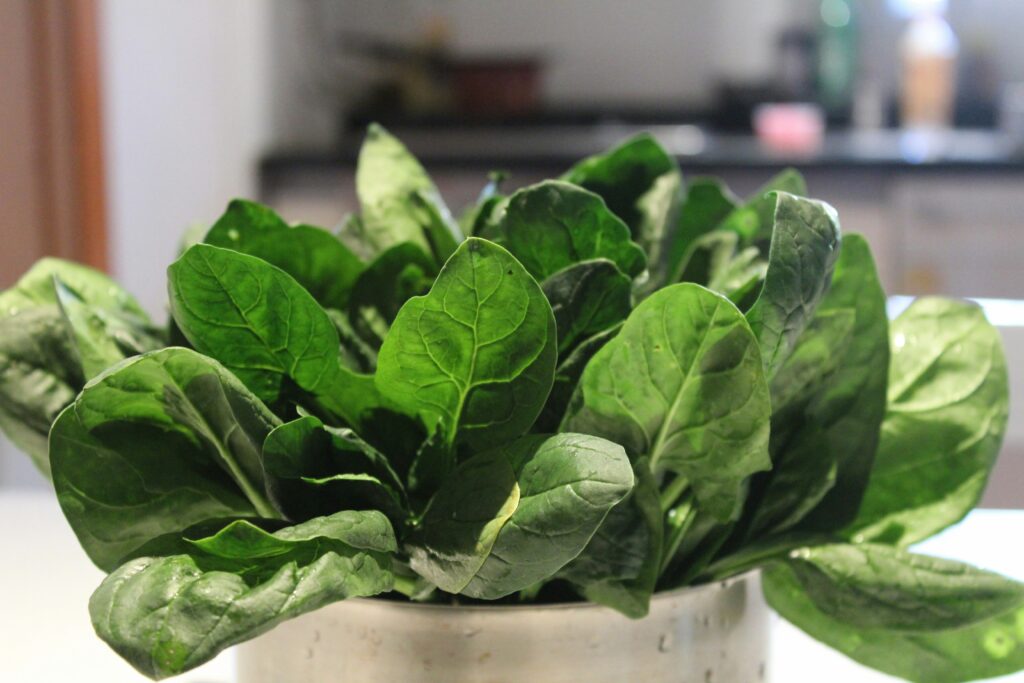
Spinach is a cool-weather champion. It actually grows better when it is a little chilly outside. So while summer crops are taking a break, spinach steps in to keep your balcony productive. Spinach grows well in cool weather, thrives in medium-sized containers, and has a relatively shallow root system. It produces harvestable leaves in just a few weeks.
Use a pot at least 8 inches deep. Sow seeds directly about half an inch deep. Give it 4 to 6 hours of sun per day. Keep the soil evenly moist. One 10-inch pot can support three to four plants. Harvest outer leaves regularly to keep the plant productive for longer. This is a great vegetable to grow indoors near a bright window if your balcony gets cold.
4. Green Onions/Spring Onions
Green onions are perhaps the most low-effort vegetables you can grow at home. They require minimal space and can even be regrown from kitchen scraps. They tolerate cooler weather and partial sun, and perfect for planting year round.
A pot or window box that is 6 to 8 inches deep works perfectly. You can plant them from seed or just buy a bunch from the grocery store and pop the roots into the soil. They will keep regrowing. Give them a spot with some sunlight, water a few times a week, and they will be ready to snip in about three to four weeks. Plant onions quite close together, about 1 to 2 inches apart, and start harvesting them as soon as they are at least pencil-width. One small pot can give you a steady supply for months.
5. Kale
If you want something that keeps giving through cold months, kale is your answer. It is tough, it is nutritious, and it actually tastes better after a frost. You can grow one kale plant in a 1-gallon container, or two plants in a 5-gallon container. In larger containers, thin plants to 16 inches apart.
Sow seeds directly or buy a small sapling from a nursery. Kale needs at least 6 hours of sunlight daily. Water regularly and pick the outer, lower leaves first. Leave the center alone and the plant will keep producing. One healthy kale plant can provide leaves for four to six months. It is a fantastic choice for small-space growing because a single plant gives a surprisingly large harvest without taking up much floor space.
6. Cherry Tomatoes
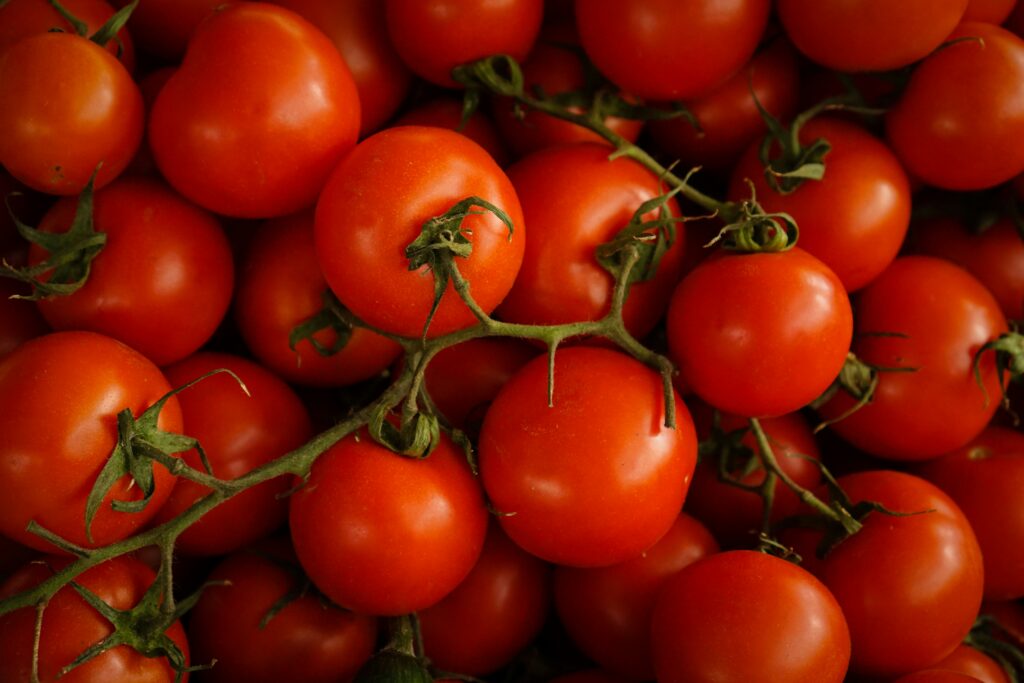
Now we move into the summer vegetables. Cherry tomatoes are the most popular choice for growing vegetables in containers, and for good reason. They produce a lot, they taste incredible when home-grown, and compact varieties stay manageable in pots.
Always start from a sapling bought from a nursery rather than seeds, especially if you are a beginner. Seeds take 6 to 8 weeks indoors before they are ready to go outside. Use a container that holds at least 5 gallons. Place it in full sun for 6 to 8 hours per day. Add a cage or stake when planting. Water deeply and keep soil evenly moist. Use a rich potting mix with compost mixed in. Look for compact varieties like Tiny Tim or Tumbling Tom. A single plant can yield hundreds of small tomatoes over a season of about 60 to 70 days. The plant will grow to about 2 to 3 feet tall with a support stake.
7. Peppers
Peppers, both sweet bell peppers and chili varieties, grow beautifully in containers. In fact, they often do better in pots than in the ground because containers warm up faster and peppers love warm soil. You can grow one large bell pepper in a 3-gallon container or larger. Smaller chili plants will grow in less space, with plants spaced 12 inches apart.
Buy seedlings from a nursery. Peppers need at least 6 to 8 hours of direct sun. Water them deeply but let the top inch of soil dry out between waterings. Add compost to the potting mix at planting time, and feed with a liquid fertilizer every two weeks once flowers appear. Harvest time is around 60 to 90 days depending on variety. One plant can produce 10 to 20 peppers per season. Chili plants stay compact at about 18 inches tall, making them ideal for small balconies.
According to The Old Farmer’s Almanac, choosing compact or dwarf varieties makes all the difference in container gardening, especially for fruiting vegetables like peppers.
8. Eggplant
Eggplant is underrated for containers. It loves heat, it looks beautiful with its purple flowers, and it produces well if you give it the right conditions. Grow one eggplant plant per 5-gallon container, or two to three plants in a 10-gallon container.
Start with a nursery sapling. Eggplant needs full sun, at least 6 to 8 hours per day. Water consistently and deeply. Mix compost into your potting soil at the start and add a balanced liquid fertilizer every two weeks. Harvest eggplant at the immature stage or when it has reached full size and the skin appears glossy and the flesh feels firm. That is usually around 70 to 80 days from transplanting. One plant fits neatly in a corner and grows to about 2 to 3 feet tall.
9. Cucumbers
Cucumbers are a step up in care, but they are absolutely worth it. They are fast-growing and incredibly prolific once they get going. The key is giving them something to climb.
Choose a container that is at least 10 inches deep and 12 inches wide, which will hold 3 vining types or 1 bush cucumber. Cucumbers reach the harvesting stage about 8 to 10 weeks from seed. Direct-sow seeds into your pot once the weather is warm. Place a small trellis or tie them to a railing as they grow. They need 6 to 8 hours of full sun and consistent watering. Never let the soil dry out completely or the cucumbers will taste bitter. Bush varieties like Bush Pickle stay compact at about 2 feet and are perfect for balconies with limited space.
10. Bush Beans
Bush beans are the final stop on our list, and they reward careful growers with a generous harvest. Unlike pole beans, bush varieties do not need a trellis. They stay compact and tidy. For snap beans, use a 2-gallon pot that is 8 to 9 inches in diameter and 8 to 10 inches deep, with 3 plants per pot.
Sow seeds directly into the pot about an inch deep after the last frost. They need full sun and regular watering. Do not let the soil dry out during flowering or you will lose your pods. Mix compost into the soil before planting and you will not need much extra fertilizer. Bush beans are ready to harvest in about 50 to 60 days. Harvest them when pods are firm and snap cleanly. Picking regularly encourages the plant to keep producing.
A Few More Tips to Remember
If you are just getting started with growing vegetables for beginners, start with just two or three pots. Radishes, lettuce, and green onions are a perfect beginner trio. They are fast, forgiving, and will build your confidence before you move on to tomatoes and cucumbers.
Always make sure your pots have drainage holes. Soggy roots are the number one reason container plants fail. Place pots where you will actually walk past them every day. Out of sight really does mean out of mind when it comes to watering.
Growing vegetables in pots is not about perfection. It is about starting. Even one pot of cherry tomatoes on a sunny window ledge changes how you feel about food. And once you taste that first homegrown harvest, you will never look back.
Featured image credit: Photo by Andy Cat on Unsplash
Read more: The Beginner’s Companion Planting Guide for Raised Beds (That Actually Works)
Leave a Reply