Let’s be honest. You love the idea of a garden. The fresh tomatoes, the herbs on the windowsill, the satisfaction of growing something with your own hands. But between work, kids, errands, and everything else life throws at you, gardening often ends up at the bottom of the to-do list. Sound familiar? You are not alone. The good news is, gardening does not have to be a second job. With the right gardening hacks, you can have a thriving garden without sacrificing your precious hours.
I have been gardening in small pockets of time for years now. Some weeks I get twenty minutes, tops. These are the tips that actually work.
Start Smart: Seed Starting Without the Stress
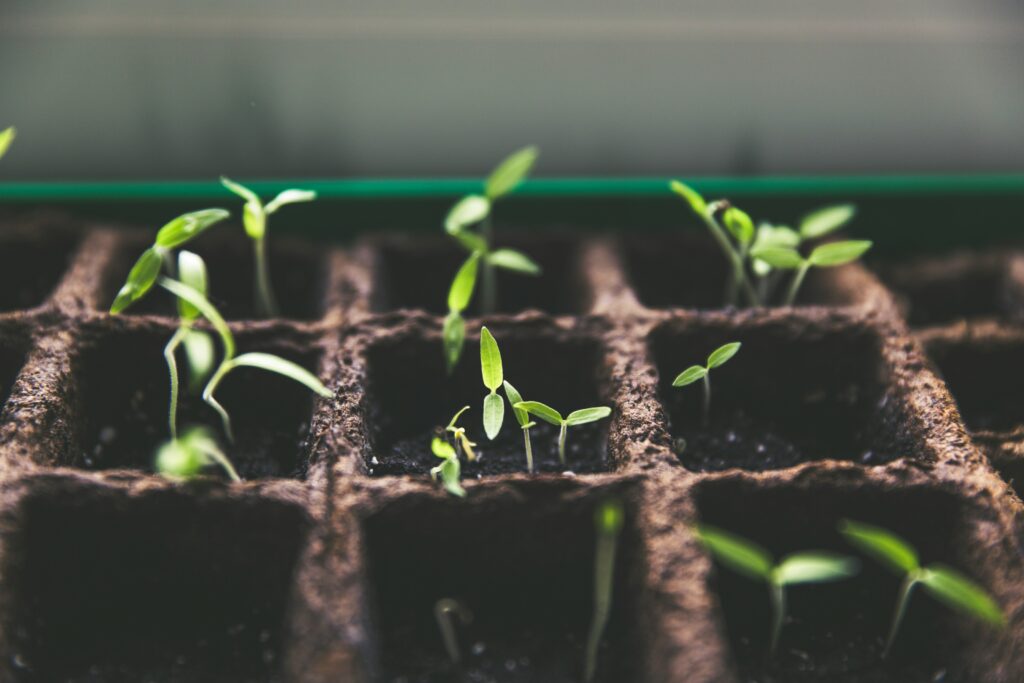
Starting from seeds sounds intimidating, but it is one of the best ways to save money. A packet of tomato seeds costs a fraction of what you pay for transplants. The hack here is to use what you already have. Egg cartons, toilet paper rolls, and even old yogurt cups make perfect seed-starting containers. Fill them with a basic potting mix, drop in your seeds, cover loosely with plastic wrap, and set them on a sunny windowsill. That’s your mini greenhouse, zero cost.
One more thing: start only what you will realistically use. Beginners often plant too much too soon. Pick three vegetables or herbs you actually cook with. Basil, cherry tomatoes, and lettuce are great starting points for gardening for beginners because they are fast, forgiving, and rewarding.
Also read: Your Complete Seed Starting Checklist: Everything Beginners Need to Grow Big From Tiny Seeds
Plan Once, Garden All Season
Before you plant a single seed, spend thirty minutes planning. Seriously, this one step saves hours of backtracking later. Sketch out your space, even roughly, and decide what goes where based on sunlight. Sun-loving plants like peppers and tomatoes need six or more hours of direct light. Leafy greens like spinach tolerate shade. Getting this right from the start means fewer dead plants and wasted money.
Also, look into succession planting. Instead of planting all your lettuce at once, plant a small batch every two weeks. You get a steady harvest instead of a flood of lettuce you cannot eat fast enough.
Container Gardening: The Busy Person’s Best Friend
If you have a balcony, a patio, or even a sunny doorstep, container gardening is a game changer. Pots are low commitment. You can move them, rearrange them, and scale up or down depending on how much time you have. This is one of those gardening ideas that works especially well for apartment dwellers and people with small yards.
The hack: group your containers together. Plants lose moisture faster in individual pots spread across a hot patio. Clustering them slows evaporation and means you water less often. Also, choose self-watering containers if you can swing it. They have a built-in reservoir that keeps roots hydrated for days. Life-changing when you are traveling for work or just plain forget.
Water Smarter, Not More
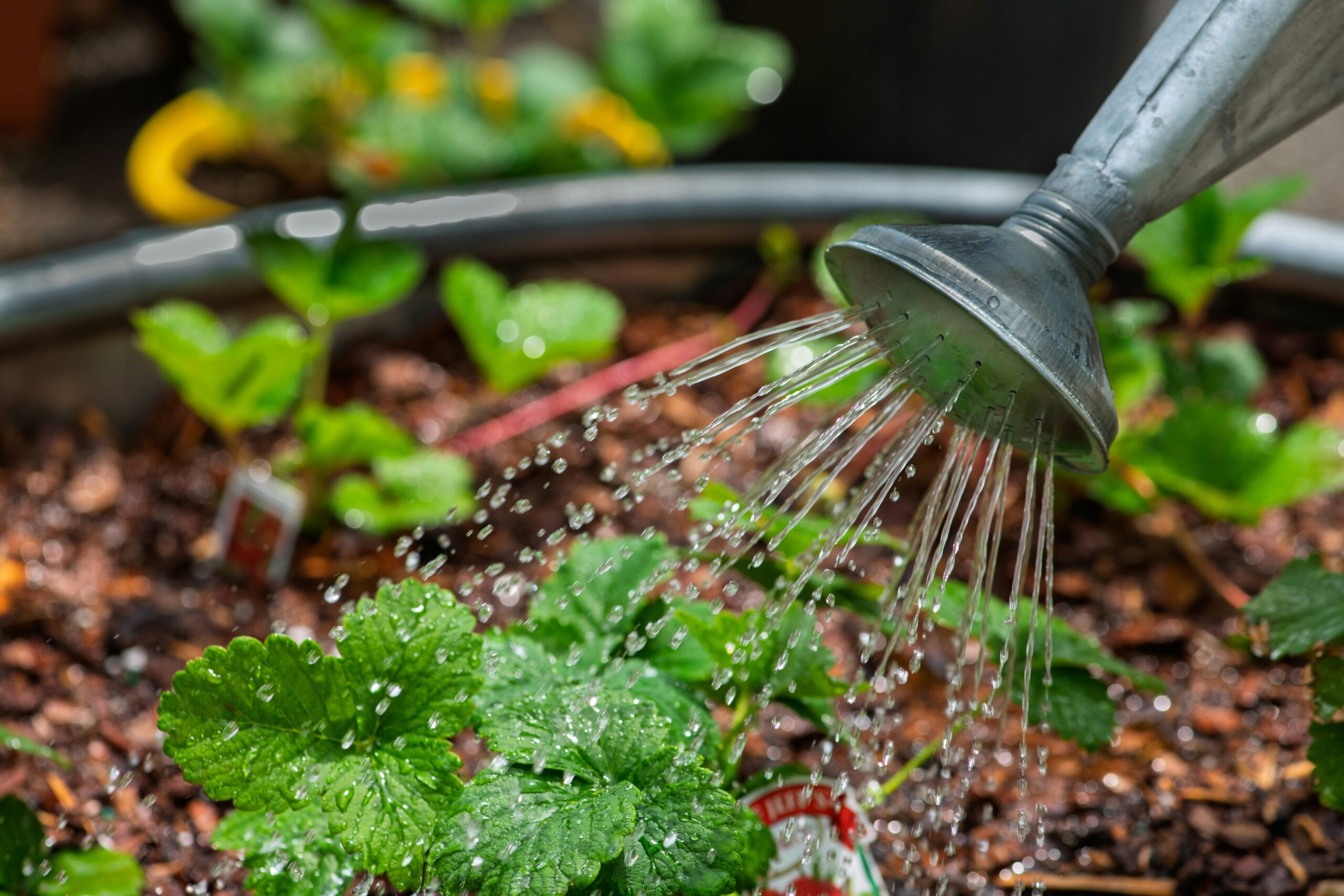
Overwatering is the number one mistake new gardeners make. And it wastes your time. Instead of watering on a schedule, water when the top inch of soil feels dry. Stick your finger in. Simple as that.
For real time savings, set up a drip irrigation system on a timer. This sounds fancy but basic kits are available at hardware stores for under thirty dollars. You set it, forget it, and your garden gets consistent moisture whether you remember or not. According to Gardenista, drip irrigation can cut water usage by up to fifty percent compared to hand watering. That is better for your water bill and better for your plants.
Mulching is another underrated move. A two-to-three inch layer of wood chips or straw around your plants locks in moisture, keeps weeds down, and regulates soil temperature. You water less, weed less, and your plants actually do better. It is one of the most effective and underused gardening tips out there.
Soil: The Foundation You Cannot Skip
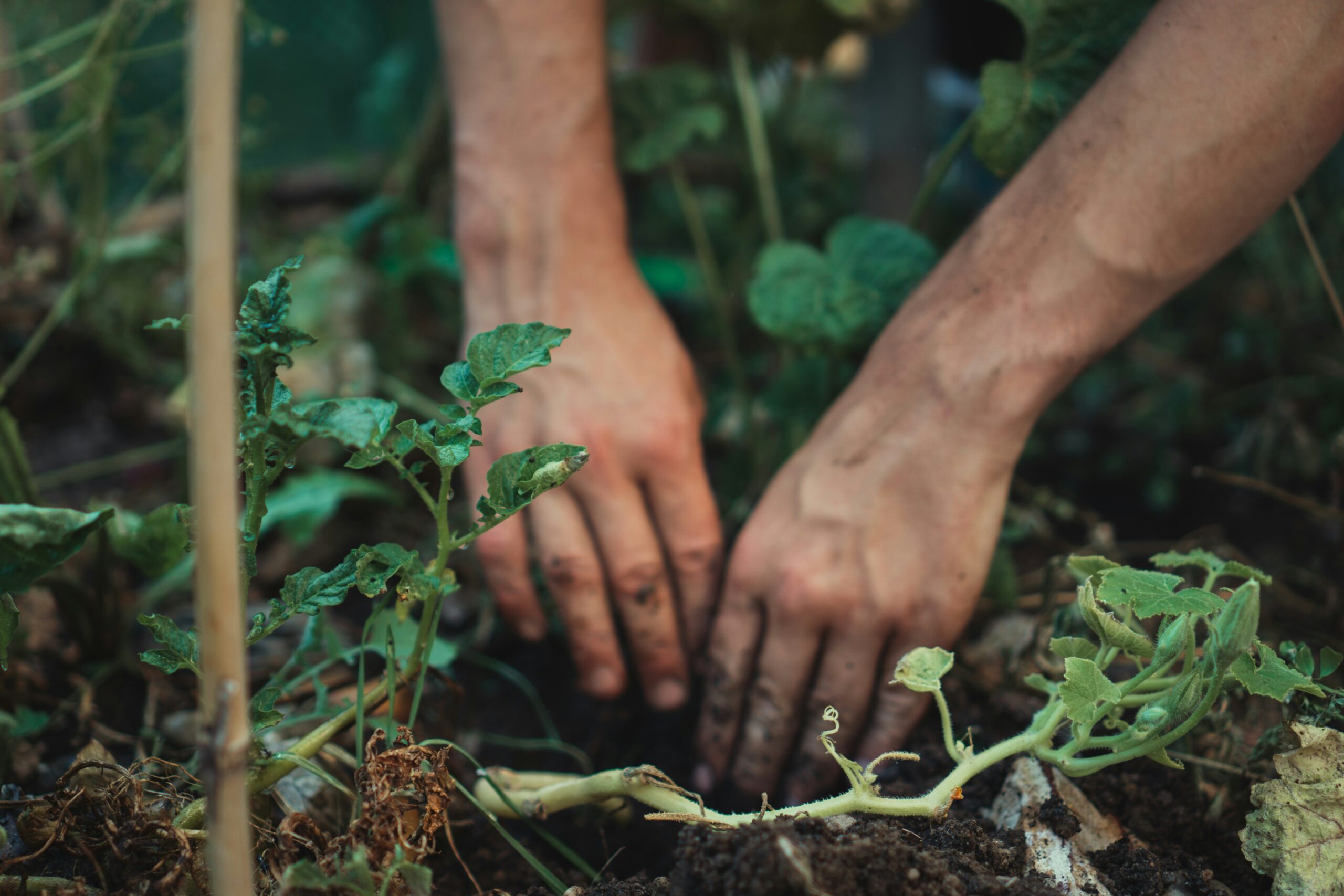
Good soil does half the work for you. Healthy, rich soil means plants grow faster, resist disease better, and need less attention. You do not need to be a soil scientist. Just add compost. You can buy a bag or make your own with kitchen scraps like vegetable peels, coffee grounds, and eggshells. A small compost bin on the counter takes two minutes of effort a day and pays off enormously.
If your soil is poor or compacted, consider raised beds. They warm up faster in spring, drain well, and because you fill them yourself, you control exactly what your plants grow in. Raised beds also mean less bending, which your back will thank you for.
Weeding Without Losing Your Mind
Nobody has time to weed for an hour every weekend. The trick is to weed little and often. Five minutes after watering, when the soil is soft, you can pull weeds out cleanly before they set seed. Once they seed, you are fighting a battle that multiplies weekly.
The real hack is prevention. Lay cardboard directly on the soil around your plants and cover it with mulch. The cardboard smothers weeds, breaks down naturally, and you barely see any for the rest of the season. Free cardboard from grocery or moving boxes works perfectly.
Feeding Your Plants Without Overthinking It
Plants need nutrients, but you do not need a complicated feeding routine. A slow-release granular fertilizer worked into the soil at planting time does most of the heavy lifting. For a free alternative, save your pasta water (unsalted), banana peels soaked in water overnight, or even diluted used coffee grounds. These are gentle, natural nutrient boosts your plants genuinely benefit from.
Harvesting: The Part You Actually Enjoy
Here is the thing about harvesting that most people miss: the more you pick, the more the plant produces. Especially with beans, zucchini, herbs, and peppers. So do not wait for things to get huge. Pick regularly, even if the harvest is small. Snip your basil often to prevent it from flowering and going bitter. Pull your lettuce leaves from the outside in, and the plant keeps going for weeks.
Keep a small basket or bag near your garden so harvesting becomes a casual, two-minute habit rather than a full task.
The Mindset Shift That Makes Everything Easier
The biggest gardening hack of all is letting go of perfection. Your garden does not need to be Pinterest-perfect. A crooked row of tomatoes that feeds your family is infinitely better than a flawless garden you never started. Some plants will die. Some seasons are rough. That is just gardening.
Start small, stay consistent in tiny bursts, and build on what works. These gardening hacks are not about shortcuts. They are about working with nature instead of against it, so that even on your busiest days, your garden keeps growing.
You have got this.
Featured image credit: Photo by Jonathan Kemper on Unsplash