
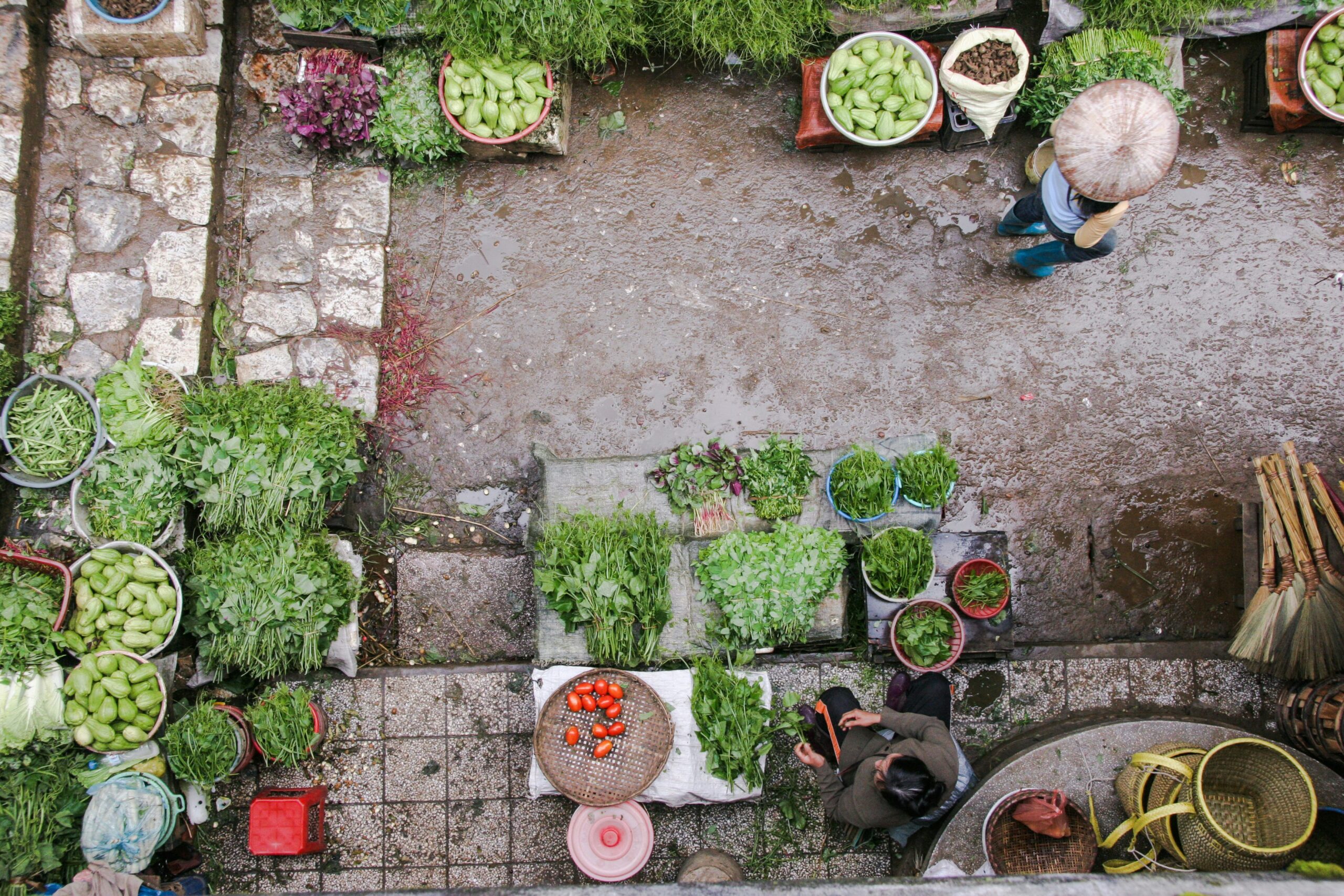
You plant a few vegetables just before the rains arrive, expecting the weather to do most of the watering for you. Then the rain keeps coming. The soil stays wet, leaves remain damp, seedlings disappear, and suddenly the garden looks more like a muddy patch than a vegetable garden.
I have learned that rainy-season gardening works best when you stop thinking about how much water plants need and start thinking about how well their roots can handle the water they receive. Warm, wet conditions can increase problems such as root rot, leaf spots, and fruit rot, especially when drainage and airflow are poor.
The good news is that plenty of vegetables can handle a wet growing season when you choose suitable crops and prepare the garden properly.
Why the Rainy Season Can Actually Help Your Vegetable Garden
Rainy weather can make gardening easier in one important way: you do not have to provide every drop of water yourself. Established plants can receive regular moisture from rainfall, and the cooler, cloudy conditions during some parts of the season can help reduce heat stress.
The problem starts when rainfall exceeds what the soil can drain. Roots need oxygen as well as water, so constantly saturated soil can weaken plants even when they appear to have plenty of moisture. That is why I prefer raised beds, containers, or loose, well-draining soil for a rainy-season garden rather than planting directly into a low spot where water collects.
Sunlight also matters. Even during a rainy season, try to give your vegetable garden as much direct light as your location allows. Wet foliage that stays shaded for long periods dries slowly, increasing disease pressure.
With that in mind, these are some of the vegetables I would choose for a monsoon or frequently rainy growing season.
13 Vegetables to Grow in Rainy Season
1. Okra
Okra is one of my favorite warm-season choices for a rainy garden because it enjoys heat and can keep producing when conditions remain warm. Plant seeds at the beginning of a warm rainy period, once the soil has warmed sufficiently. Give plants at least 6 hours of sunlight if possible, although they can tolerate some temporary cloud cover. You usually do not need to water established plants during regular rainfall, but check the soil after several dry days. Mix mature compost into the bed before planting and add a light side-dressing once plants become established rather than repeatedly feeding them. Depending on the variety, you can begin harvesting tender pods around 50 to 65 days after sowing. Pick pods every day or two because they become tough quickly when left on the plant.
2. Yardlong Beans
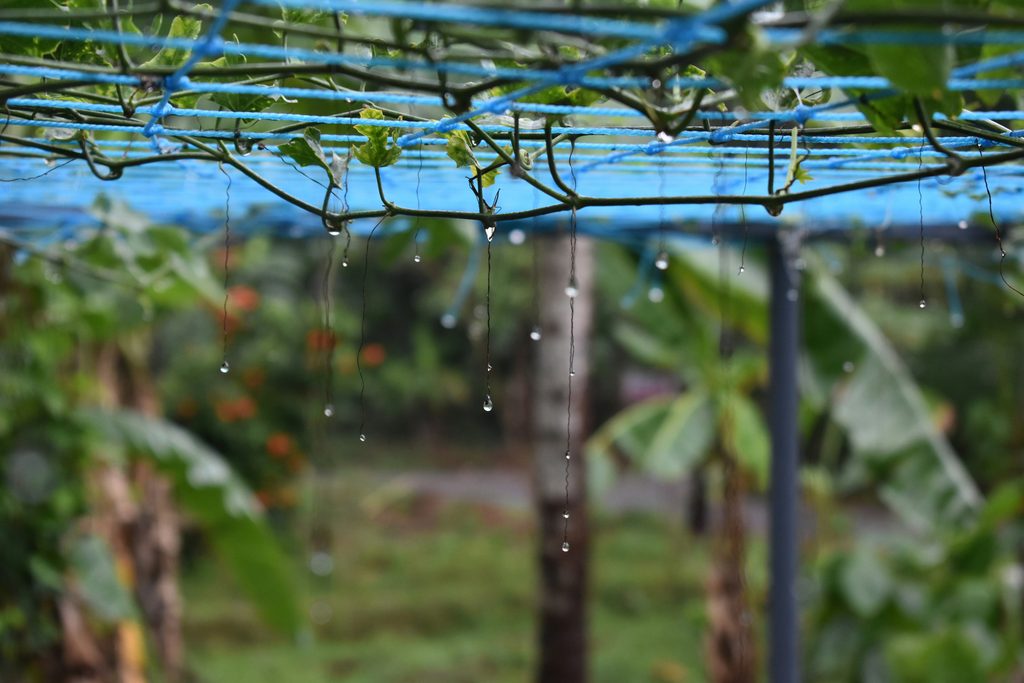
Yardlong beans are particularly useful for warm, humid climates and can make excellent use of vertical space. Sow them once the rainy season has become warm and consistent, giving them around 6 hours of sunlight. Rain may provide enough moisture, but check the soil if rainfall stops for several days. Avoid planting them where water pools around the roots. Add compost before sowing and provide a trellis or strong frame for the vines. Harvesting can begin around 50 to 70 days after planting, depending on the variety. Regular picking encourages continued production, so a small basket beside the trellis makes harvesting much easier.
3. Bush Beans
Bush beans can also work well during a rainy growing period when you choose a warm-weather variety and provide good drainage. Plant them at the beginning of a suitable warm spell rather than immediately before several days of severe rainfall. Give them 6 or more hours of sunlight and avoid unnecessary watering while the soil remains wet. Mix compost into the soil before planting and add a light feed once plants begin flowering if needed. Snap beans can start producing roughly 45 to 60 days after sowing. Research from University of Minnesota Extension notes that beans generally need about an inch of rainfall per week, so during a rainy season you should focus on drainage rather than automatically adding irrigation.
4. Cucumber
Cucumbers grow quickly in warm conditions, but excessive moisture around their roots can cause problems. Plant them at the beginning of a warm rainy period in a raised bed or large container rather than a poorly drained area. Give them around 6 to 8 hours of sunlight, with some afternoon shade useful in extremely hot climates. You may not need additional water at all during regular heavy rainfall. Add compost before planting and feed lightly during active fruit production. A trellis keeps the vines and developing cucumbers off wet soil, which can help keep the fruit cleaner. Depending on the variety, you may harvest your first cucumbers around 50 to 70 days after planting.
5. Eggplant
Eggplant enjoys warmth, making it suitable for many tropical and subtropical rainy seasons. Plant young seedlings once the soil is warm and avoid placing them in areas where rainwater collects. Give them at least 6 hours of sunlight and allow some space between plants for air movement. Water only when the soil actually begins to dry because rainfall may provide more than enough moisture. Mix mature compost into the planting hole and provide additional organic fertilizer during the growing season if your soil needs it. Depending on the variety, expect the first harvest roughly 60 to 90 days after transplanting.
6. Chili Peppers
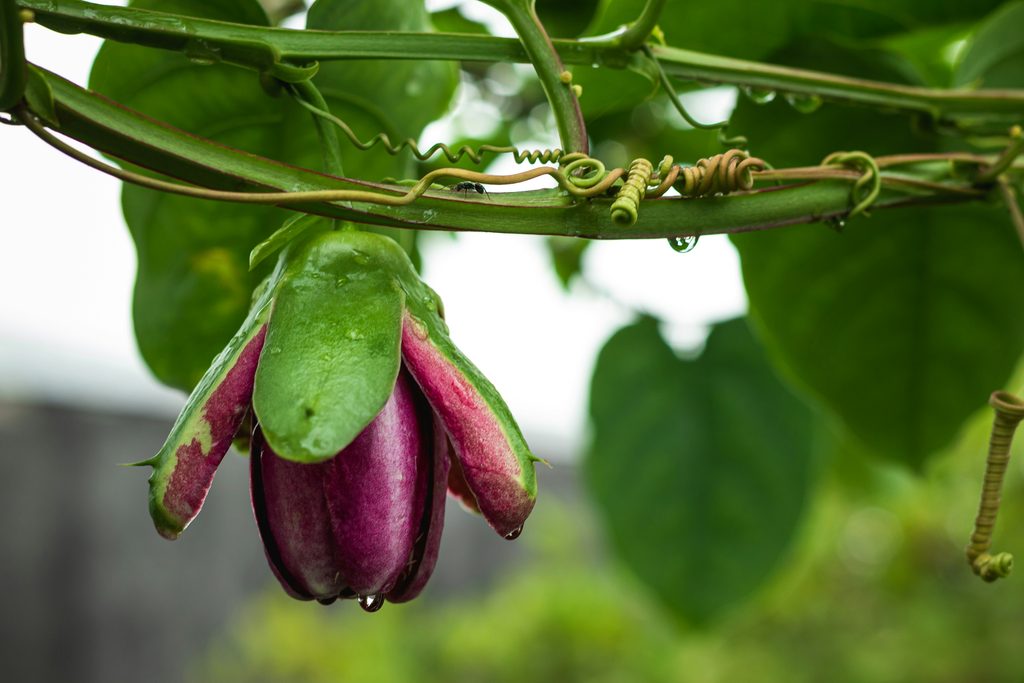
Chili peppers can grow during a warm rainy season, although they need more careful drainage than some of the crops on this list. Plant healthy seedlings rather than very young seedlings immediately before a period of heavy rain. Give them around 6 to 8 hours of sunlight and keep them away from constantly shaded corners. Skip watering when rainfall has already saturated the soil. Add compost before planting and use a light fertilizer during active flowering and fruiting if necessary. Harvest timing varies considerably by variety, but many peppers begin producing around 60 to 90 days after transplanting. A raised bed or large container can make moisture control much easier.
7. Amaranth Greens
Amaranth is worth considering if you want leafy greens that suit warm weather. Sow it once temperatures remain consistently warm and choose a location that receives several hours of sunlight. Rain usually supplies sufficient moisture, so concentrate on preventing standing water rather than irrigating. Mix compost into the soil before sowing and avoid excessive nitrogen fertilizer, which can produce very soft, overly lush growth. Young leaves can often be harvested within 25 to 40 days. You can pick outer leaves gradually instead of removing the entire plant, allowing a small patch to provide repeated harvests.
8. Malabar Spinach
Despite its name, Malabar spinach is not true spinach and actually prefers warm conditions. This makes it particularly useful when ordinary spinach struggles during a humid summer. Plant it during the warm rainy season in a location receiving around 5 to 6 hours of sunlight. Keep the roots moist but never allow the container or planting bed to remain flooded. Compost the soil before planting and provide a trellis because the vines can become vigorous. You can begin picking young leaves and tender shoots around 50 to 70 days after planting, then continue harvesting throughout the growing season.
9. Sweet Potato
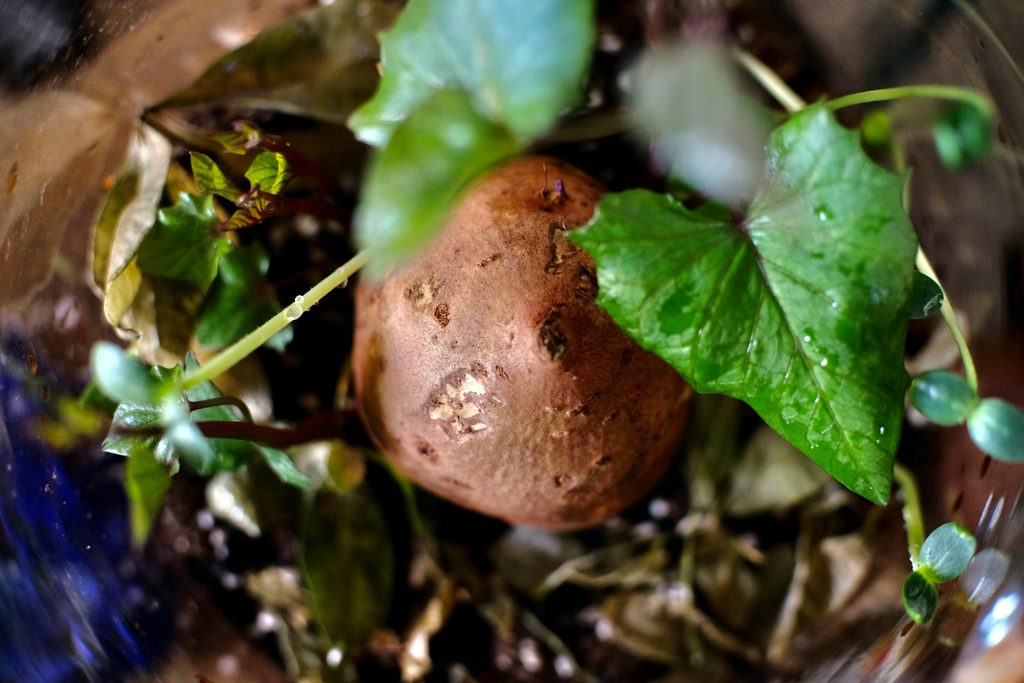
Sweet potatoes can tolerate warm weather and periods of rainfall once established, provided the soil drains well. Plant slips at the beginning of a warm growing period and choose a raised bed if your garden tends to stay wet. Give the plants around 6 to 8 hours of sunlight. Regular heavy rain may eliminate the need for additional watering, but inspect the soil during dry spells. Add compost before planting, but avoid excessive nitrogen because you want the plant to develop storage roots rather than only leaves. Depending on the variety and growing conditions, harvesting commonly takes several months rather than a few weeks, so treat sweet potatoes as a longer-term rainy-season crop.
10. Taro
Taro is naturally suited to warm, moist conditions and can be an interesting choice for gardeners in tropical climates. Plant it during warm weather where you can provide consistent moisture. It can tolerate wetter conditions than many conventional vegetables, although completely stagnant water can still create problems depending on the variety and growing system. Give it several hours of sunlight and mix compost into the soil before planting. Harvesting usually takes several months, often around 7 to 12 months depending on variety and climate. Because it needs more space and a longer growing period, I would choose it only if you have a suitable garden area.
11. Pumpkin
Pumpkin can grow vigorously during warm rainy weather, but it needs space and excellent drainage. Plant it after temperatures become consistently warm and give it at least 6 hours of sunlight. You may not need to irrigate during regular rainfall, but monitor the root zone during dry periods. Add compost before planting and give the vines room to spread. You can expect mature pumpkins several months after planting, depending heavily on the variety. I would not choose pumpkin for a tiny garden unless you are willing to train the vines over a sturdy structure.
12. Bitter Melon
Bitter melon, also called bitter gourd, is another warm-season vine that can make good use of a rainy growing season. Plant it after the weather becomes reliably warm and provide around 6 to 8 hours of sunlight. Rain generally provides enough water, but the roots still need well-drained soil. Add compost before planting and install a strong trellis from the beginning because the vines become heavy. Depending on the variety, harvesting can begin around 55 to 80 days after planting. Pick the fruits while they are still young and tender for the best texture.
13. Radishes
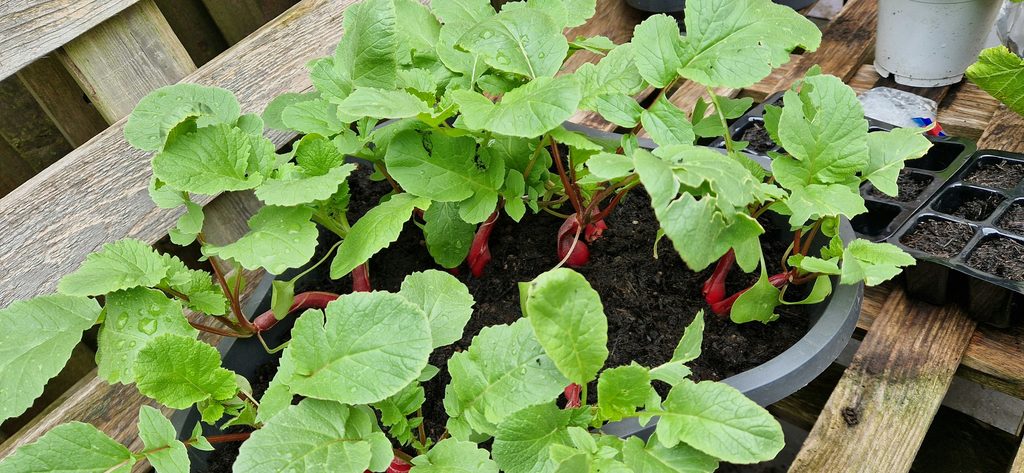
Radishes can be surprisingly useful during rainy periods when temperatures remain moderate rather than extremely hot. Choose a quick-growing variety and sow it during a cooler stretch of the season. Give the plants around 4 to 6 hours of sunlight and keep the soil moist but never continuously waterlogged. You probably will not need supplemental irrigation during regular rain. Mix a modest amount of mature compost into the soil before sowing rather than using fresh manure. Depending on the variety, you can harvest small radishes in around 20 to 40 days.
How to Prepare Your Garden Before the Heavy Rain Arrives
Choosing suitable vegetables helps, but drainage will determine whether many of them survive.
1. Find the places where water collects.
Walk around your garden after a heavy rainfall and look for puddles that remain after the surrounding soil has drained. Do not plant sensitive vegetables in those areas. A simple garden fork can help loosen compacted soil, while raised beds can lift the root zone above the wettest ground.
2. Raise the planting area.
If your soil becomes saturated easily, create raised beds rather than trying to fight the water throughout the season. Even a modestly raised bed can give excess rain somewhere to move away from the root zone.
3. Improve the soil before planting.
Work mature compost into the soil before the rainy season begins. Compost improves soil structure, but do not assume that adding more compost will automatically solve severe drainage problems. If the underlying soil stays saturated, you may need raised beds, containers, or a proper drainage solution.
4. Give plants enough space.
During rainy weather, crowded plants create a humid pocket where leaves dry slowly. Follow the spacing recommendations for your specific variety and remove weeds regularly. Good airflow can make a noticeable difference.
5. Stop watering by the calendar.
This is probably the biggest adjustment I make during the rainy season. Do not water simply because it is morning or because your plants normally receive water that day. Push your finger into the soil first. If it is already wet several centimeters below the surface, leave it alone.
6. Keep leaves and fruit away from wet soil.
Use clean mulch, stakes, or trellises where appropriate. Mulch can reduce soil splashing onto foliage during heavy rain, but do not pile wet mulch directly against plant stems. A simple pair of garden ties can also keep sprawling plants from sitting on saturated ground.
7. Inspect your plants after storms.
Look underneath leaves and around stems after particularly heavy rainfall. Remove damaged or diseased leaves promptly and harvest mature vegetables rather than leaving them exposed to repeated rain. Wet conditions can encourage fungal and bacterial diseases, so early detection matters.
Also read: 8 Gardening Hacks That Save Busy People Real Time and Money
A Simple Rainy-Season Routine
I find it easier to manage a wet garden when I divide the work into a short routine. After each major storm, check for standing water first. Then look for broken stems, damaged leaves, fallen fruit, and exposed roots. Once the foliage has dried, remove diseased material and check the undersides of leaves for insects.
Keep a small garden caddy nearby with pruning scissors, plant ties, gloves, labels, and a hand fork. A rain gauge can also be surprisingly useful because it tells you how much water actually fell rather than leaving you to judge rainfall by appearance.
If the weather turns dry for several days, check the soil before watering. Drip irrigation or a soaker hose is useful when you do need to irrigate because it puts water around the roots without repeatedly wetting the foliage.
A Few Rainy-Season Gardening Tricks
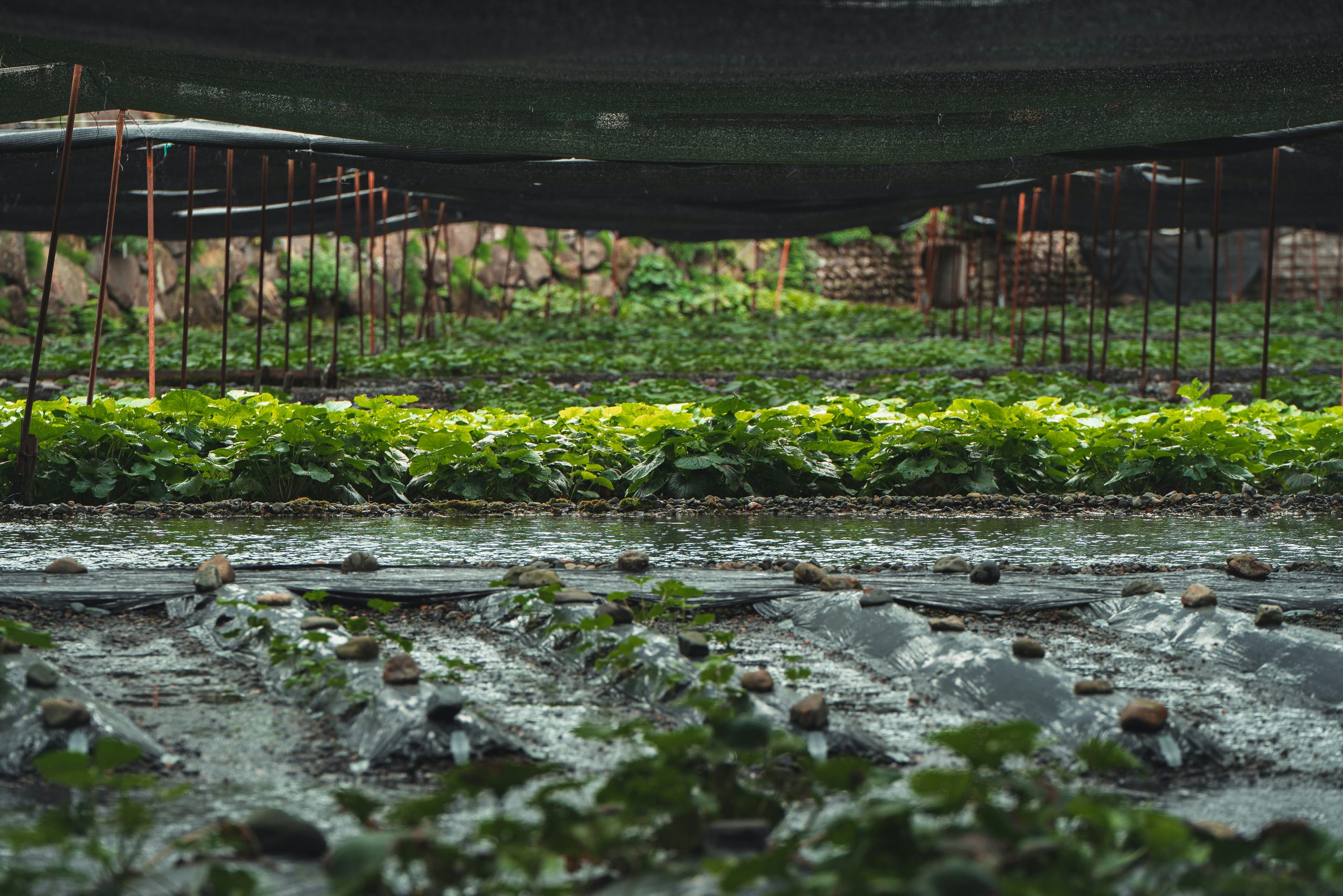
One trick I find useful is creating a shallow drainage channel around raised beds so excess rain has somewhere to go instead of sitting against the plants. You can also place containers on inexpensive pot feet or bricks so their drainage holes stay clear during storms. For climbing vegetables, install trellises before the plants become large because trying to add support to wet, tangled vines is much harder.
One Mistake That Can Quickly Cause Problems
Do not assume rainwater means your plants cannot become stressed. Repeated heavy rain can wash nutrients away, damage foliage, and leave roots without enough oxygen. At the same time, a sudden dry spell can arrive between storms. Check the actual soil condition instead of responding to the weather alone, and remove diseased plant material promptly.
Also read: 10 Beginner Gardening Mistakes That Are Quietly Killing Your Plants (And How to Fix Them)
What Should You Plant First?
If you are new to rainy-season gardening, I would start with okra, yardlong beans, amaranth greens, Malabar spinach, cucumber, and eggplant if your climate stays warm. Add radishes or other cool-season crops when temperatures allow.
The best vegetables to grow in rainy season are not simply those that tolerate water. They are the ones that can handle your combination of rainfall, temperature, sunlight, and soil drainage. Once you prepare for excess water instead of treating rain as free irrigation, the monsoon can become a productive part of your gardening calendar.
Featured image credit: Photo by siamak djamei on Unsplash
Leave a Reply