
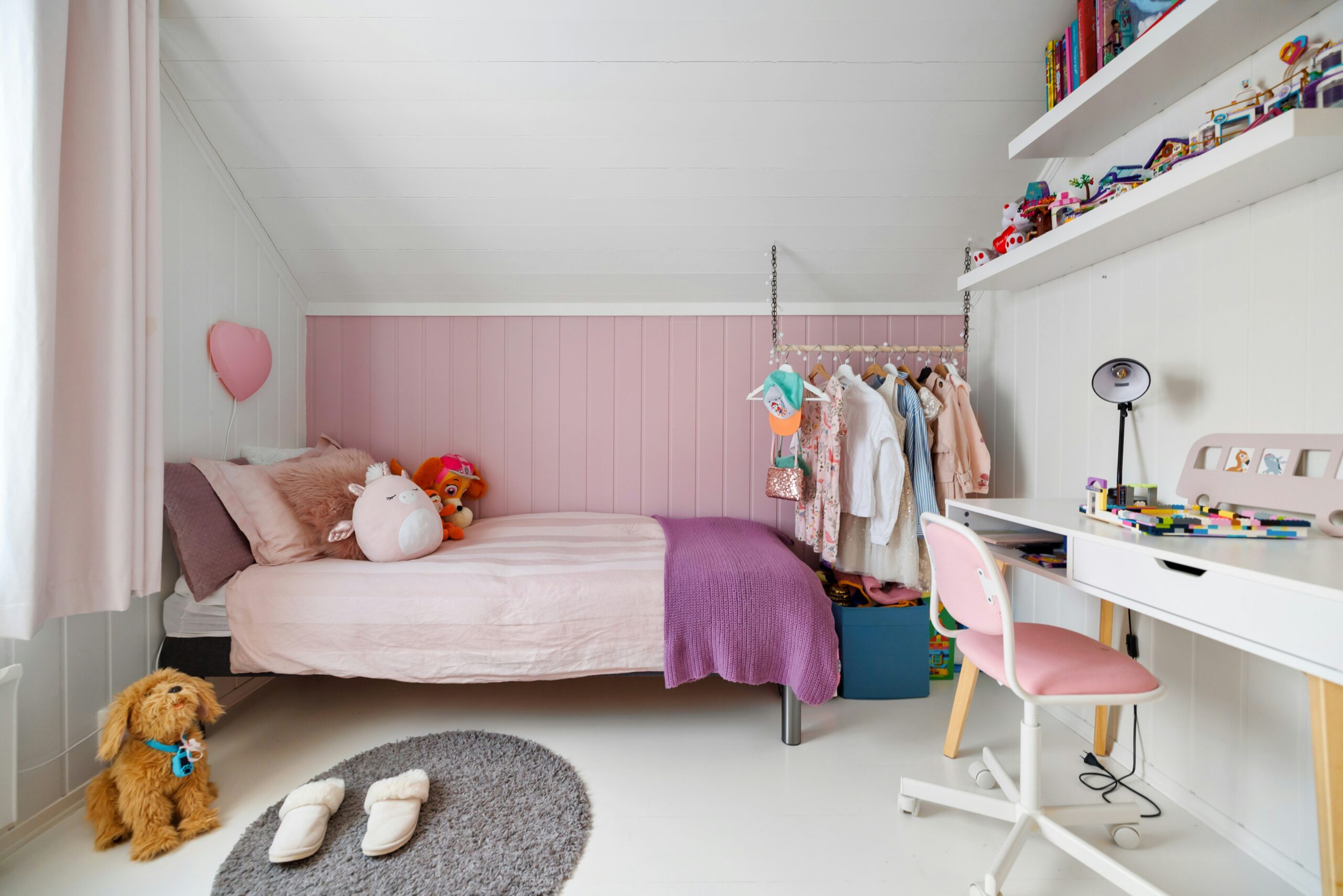
It often feels like you spend more time picking up your child’s room than they spend playing in it. You put the toys away, fold the clothes, organize the bookshelf, and within a day or two, the room looks just as cluttered as before. Many parents assume they simply need to clean more often, but that’s rarely the real problem.
I’ve noticed that children’s rooms become difficult to manage when they contain more than a child can realistically keep track of. When every shelf is full and every toy box overflows, even simple cleanup feels overwhelming. Once I started focusing on creating simple systems instead of perfect organization, keeping the room tidy became much easier.
If you’re ready to make decluttering kids’ room projects less stressful, this guide will help you organize the space in a way that’s easy for both you and your child to maintain.
Why Kids’ Rooms Become Cluttered So Quickly
Children receive new toys, books, clothes, school supplies, craft materials, birthday gifts, and holiday presents throughout the year. While new items continue coming in, older ones often stay long after they’ve been outgrown or forgotten.
Unlike adults, young children also don’t naturally organize belongings into categories unless someone teaches them how. If every toy ends up in one large box, finding one item often means emptying the entire container onto the floor.
The goal isn’t creating a perfectly tidy room every day. It’s creating a space where your child can play, learn, and clean up without feeling overwhelmed.
Decluttering Kids Room Step by Step
Step 1: Remove Anything That Doesn’t Belong in the Room
Before organizing toys, clear out items that belong elsewhere. Walk through the room with a laundry basket and collect things like:
- Kitchen dishes
- Dirty clothes
- Bathroom items
- Empty snack wrappers
- Shopping bags
- Family paperwork
- Pet toys
- Adult belongings
Starting with obvious clutter creates more space and makes the room feel less overwhelming before you begin sorting your child’s belongings.
Step 2: Sort Everything Into Simple Categories
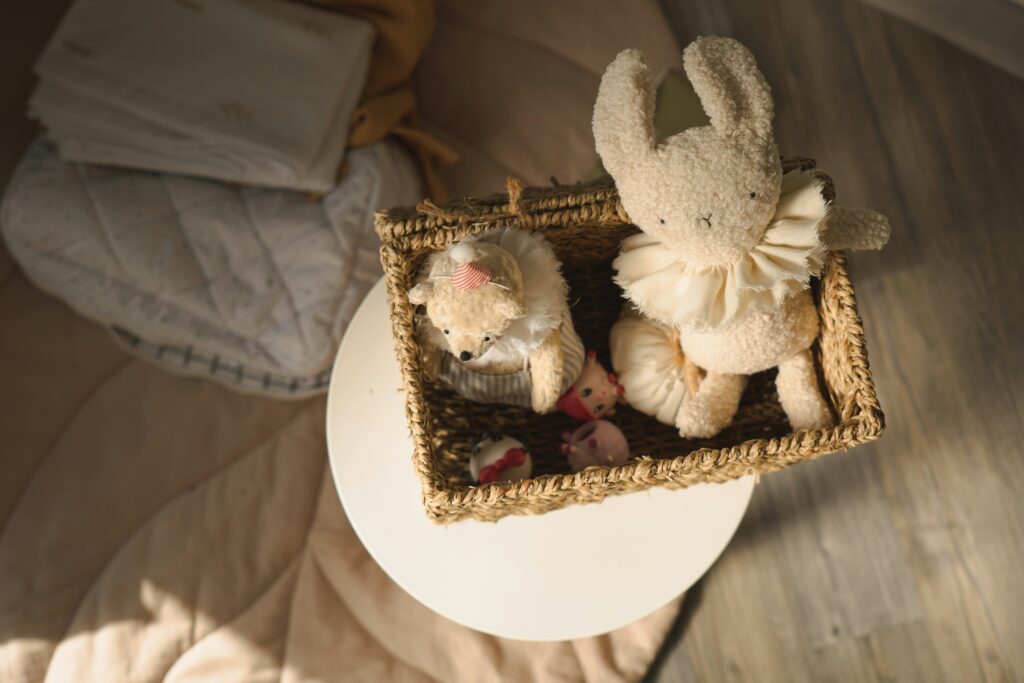
Instead of organizing one shelf at a time, gather similar items together. Create categories such as:
- Building toys
- Dolls and action figures
- Puzzles
- Cars and trains
- Stuffed animals
- Art supplies
- Books
- School supplies
- Outdoor toys
Seeing everything in one category often reveals how many duplicates have accumulated over time. It also helps you decide how much storage each group actually needs.
Step 3: Remove Toys That No Longer Get Played With
One mistake many families make is keeping every toy a child has ever owned.
Ask yourself:
- Does my child still play with this?
- Is it age appropriate?
- Is it broken or missing important pieces?
- Would another child enjoy it more?
Donate toys that are still in good condition and recycle or throw away broken ones.
If you’re unsure about a favorite toy, place it in a “maybe” box for a month. If your child never asks for it, you can usually donate it with confidence.
Keeping fewer toys often leads to more creative play because children have fewer distractions.
Step 4: Organize Toys So Children Can Find Them
Children are much more likely to clean up when they know where things belong. Instead of one large toy box, use separate storage for different categories. Affordable options include:
- Open storage bins
- Fabric cubes
- Low shelves
- Clear plastic containers
- Small baskets
- Toy organizers with removable bins
Store frequently used toys on lower shelves where children can reach them safely. Less frequently used toys can go on higher shelves for adults to access when needed.
Also read: Kids’ Toys Organization Ideas: How to Store Toys Without Losing Your Mind
Step 5: Rotate Toys Instead of Storing Everything at Once
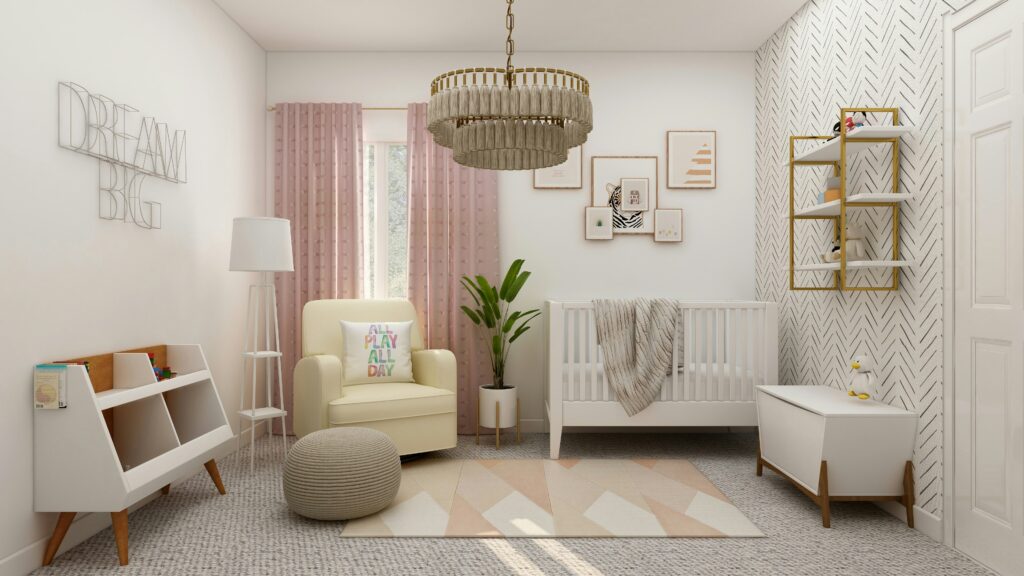
One strategy that made a noticeable difference was keeping only part of the toy collection available. Choose a selection of toys for everyday play and store the rest in labeled containers. Every few weeks, swap some toys for different ones.
Toy rotation has two benefits. First, the room stays less cluttered. Second, children often become excited to play with toys they haven’t seen for a while, making old favorites feel new again.
Step 6: Organize Clothes That Actually Fit
Children outgrow clothing surprisingly quickly.
Go through the closet and drawers, separating clothes into:
- Everyday clothing
- School clothes
- Pajamas
- Special occasion outfits
- Seasonal clothing
Remove anything that’s too small, damaged, or no longer worn. Store out-of-season clothing in labeled bins if you plan to keep it for younger siblings. Drawer dividers can also make it easier for children to find socks, underwear, and smaller clothing items independently.
Also read: Decluttering Tips: How to Declutter Your Closet in Just One Weekend
Step 7: Create Easy-to-Reach Book and Craft Areas
Books and art supplies deserve their own dedicated spaces. Store books with covers facing outward if you have younger children, as they’re often more likely to choose books they can easily recognize. Keep crayons, markers, coloring books, paper, glue, and scissors together inside one craft bin or drawer.
If your child enjoys creative activities, keeping supplies organized also reduces the amount of time spent searching before starting a project.
Step 8: Give Everyday Items a Permanent Home
Children develop cleanup habits more easily when storage stays consistent.
For example:
School Items
Backpack, lunch bag, and school shoes stay near the bedroom door or inside one designated corner.
Bedtime Items
Favorite stuffed animal, bedtime books, and nightlight stay beside the bed.
Daily Toys
Keep the toys your child uses most often in the easiest-to-reach bins.
The simpler the system, the more likely children are to use it without constant reminders.
Step 9: Build a Five-Minute Evening Cleanup Routine
The room doesn’t need to stay perfectly clean all day.
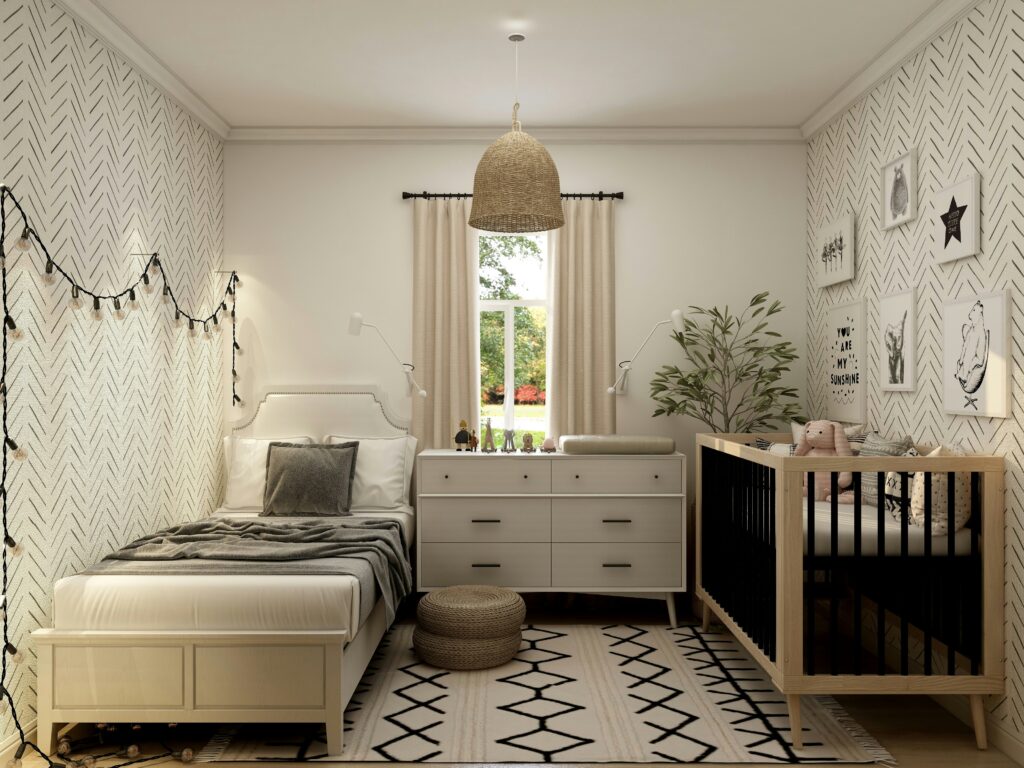
Instead, spend five minutes each evening putting things back where they belong.
Encourage your child to:
- Return toys to the correct bins.
- Put dirty clothes into the laundry basket.
- Place books back on the shelf.
- Throw away trash.
- Put school supplies back into the backpack if needed.
Even younger children can usually help with simple cleanup tasks when the storage system is easy to understand.
Keep Storage Simple Enough for Children
Adults often organize by detailed categories, but children usually respond better to simple systems. Instead of creating separate bins for every type of toy, use broader groups that are easy to remember.
For younger children, picture labels on storage bins can also make cleanup easier before they learn to read. The easier the system is to follow, the more likely it is to become part of their daily routine.
Also read: 13 Brilliant Storage Ideas for Small Spaces That Work in Every Room
Small Tricks That Make Cleanup Easier
Leave a little empty space inside toy bins instead of filling them to the top. Overstuffed bins make it difficult for children to put toys away neatly, while bins with some extra room encourage independent cleanup.
Another helpful trick is keeping a small donation box in the closet. As children naturally outgrow toys or books, you can place them inside throughout the year instead of waiting for one large decluttering session.
One Mistake That Makes the Room Messy Again
Avoid organizing the room without involving your child, especially if they’re old enough to help.
If children don’t understand where things belong or why the system works, they’ll naturally return to leaving toys wherever they finish playing. A few minutes spent teaching the system usually saves much more time later.
Let the Room Grow With Your Child
Children’s needs change quickly. A toddler’s room will look very different from a school-age child’s room, and teenagers need different storage altogether. Review the room every few months and adjust your organization system as your child’s interests, hobbies, and daily routines change.
A Few Last Words
Decluttering kids’ room spaces becomes much easier when you reduce unused toys, organize items into simple categories, and create storage that’s easy for children to use on their own. Combined with a short daily cleanup routine and occasional toy rotation, these habits help create a room that’s fun to play in, easier to clean, and much simpler to maintain throughout the year.
Leave a Reply