
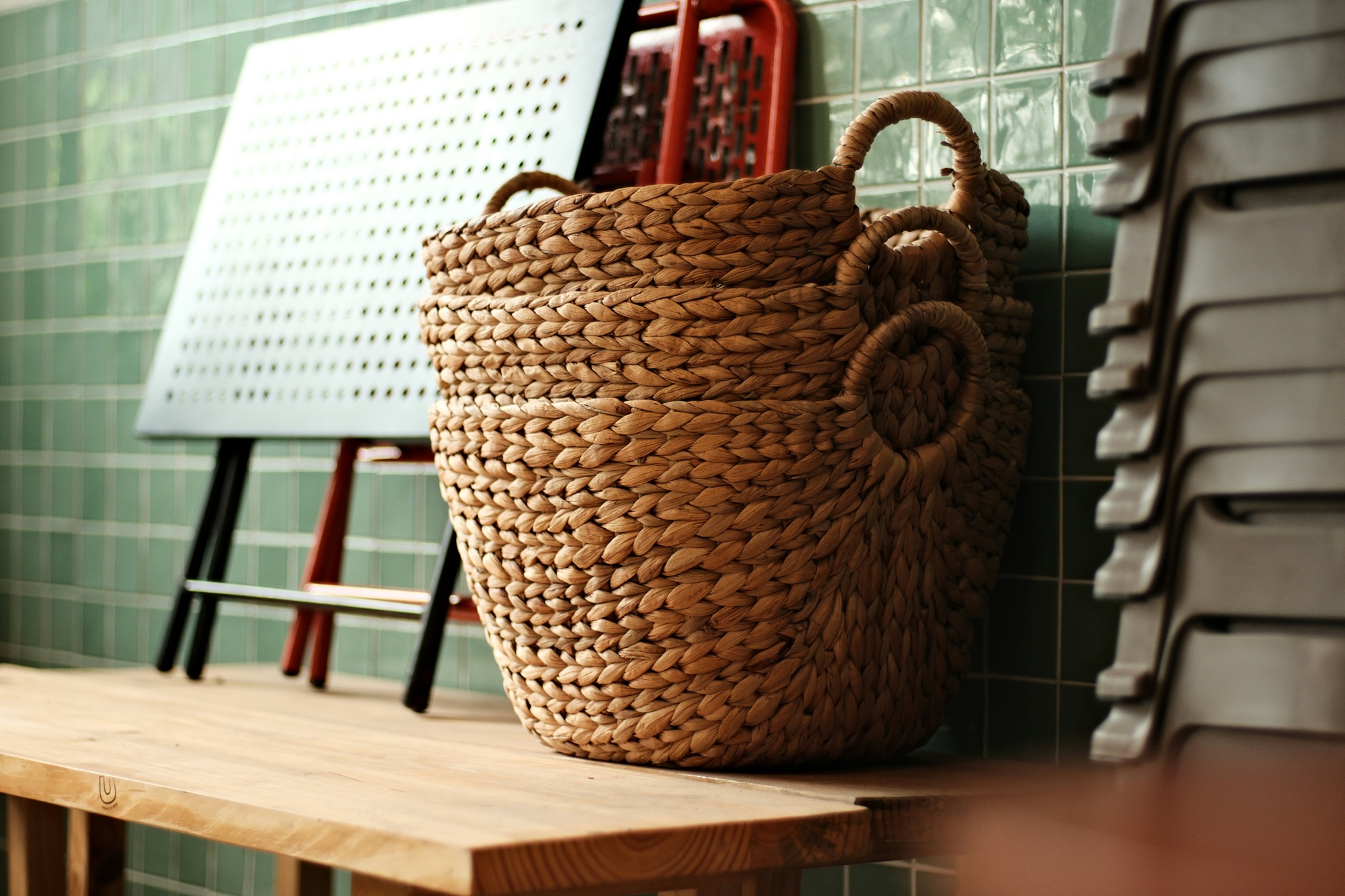
Have you ever cleaned a room, felt proud of the result, and then watched it become cluttered again within a few days?
For many people, the problem is not a lack of effort. The problem is a lack of storage systems. When every drawer is full, every shelf feels crowded, and every room seems short on space, staying organized can feel like a never-ending task.
The good news is that you do not need a larger home to create more storage. In my experience, the most effective storage ideas for small spaces focus on using existing space better rather than buying more furniture. Small changes often make daily life easier because you spend less time searching for items and more time enjoying your home.
The following ideas work across multiple rooms, making them practical solutions for almost any home.
Why Most Storage Problems Start With Visibility
One common mistake people make is storing things where they cannot see them. When items disappear into deep drawers, crowded cabinets, or overfilled baskets, people often forget they own them. As a result, they buy duplicates or leave things out in the open.
The most important part of organizing a small space is creating systems that keep items visible, accessible, and easy to return after use.
With that principle in mind, let’s look at storage solutions that work throughout the entire house.
Also read: 50 Tiny Things to Declutter That Quietly Make Your Home Feel Messy
1. Divide Everything Into Zones
Before buying a single organizer, create dedicated zones for different activities.
For example:
- Reading items stay together.
- Cleaning supplies stay together.
- Office supplies stay together.
- Craft supplies stay together.
This simple step works in bedrooms, kitchens, bathrooms, home offices, and living rooms.
When every item has a category and location, you reduce decision fatigue and make tidying much faster.
2. Use Vertical Space Before Expanding Sideways
Many homes have unused wall space. Instead of adding another floor cabinet, consider wall-mounted shelves, pegboards, hooks, or floating storage solutions.
In kitchens, vertical shelves can store dishes and pantry items. In bathrooms, they can hold toiletries. In home offices, they can keep supplies off the desk.
This approach frees valuable floor space while making the room feel more open.
Also read: 15 Pantry Organization Hacks That Actually Work
3. Store Items Close to Where You Use Them
This sounds obvious, but many homes ignore this principle. Keep blankets near the sofa. Store charging cables near workstations. Place cleaning products close to the areas you clean most often.
I have found that organization systems fail when they require too many extra steps. The easier it is to put something away, the more likely you are to maintain the habit.
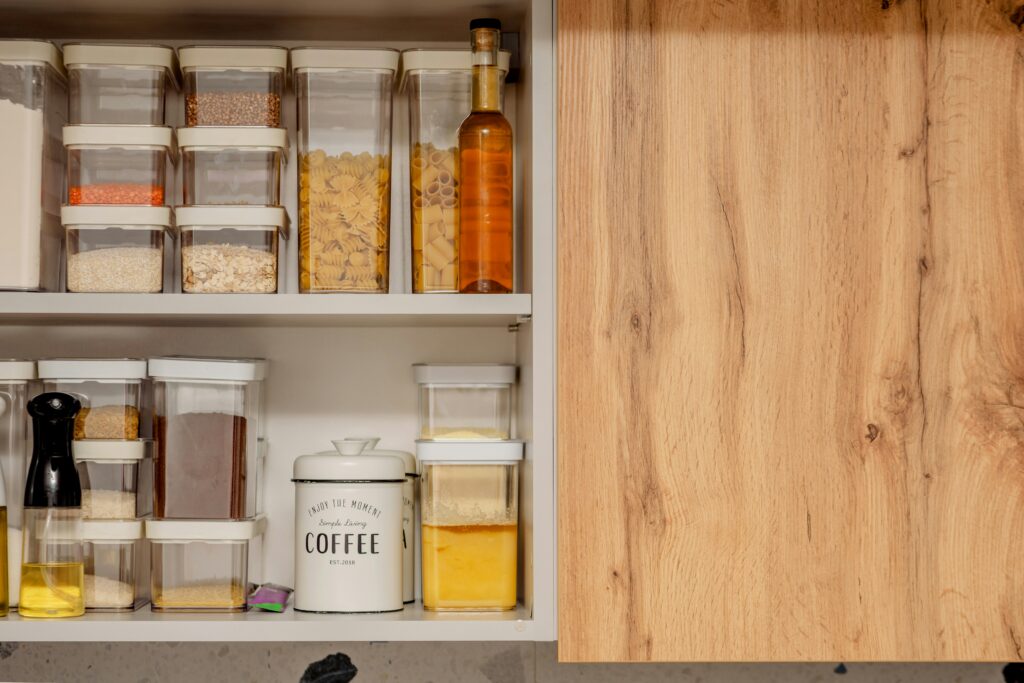
4. Use Clear Containers Whenever Possible
Clear bins work well because they reduce the need for memory. You can immediately see what is inside without opening multiple boxes.
This works particularly well for:
- Pantry items
- Bathroom products
- Craft supplies
- Children’s toys
- Seasonal decorations
Many professional organizers recommend clear storage because visibility often improves long-term organization more than decorative containers.
5. Give Every Shelf a Purpose
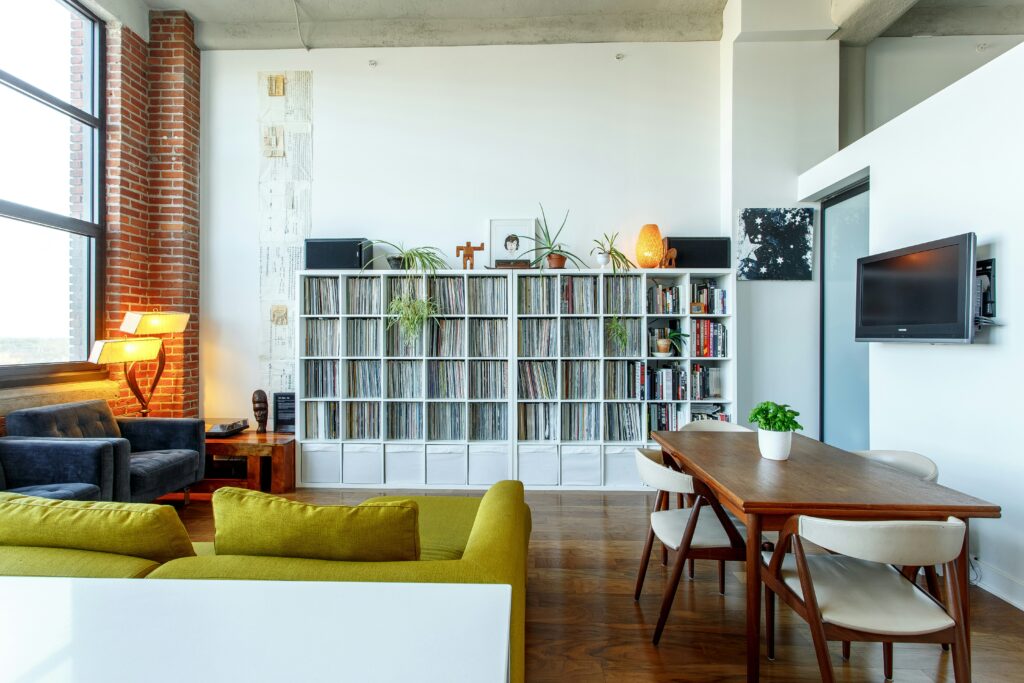
A shelf without a purpose often becomes a catch-all space. Instead, assign a specific role to each shelf.
For example:
- Top shelf for rarely used items
- Middle shelf for everyday essentials
- Bottom shelf for heavier objects
This structure helps family members understand where things belong and reduces random clutter buildup.
6. Use the Back of Doors
Doors often provide overlooked storage opportunities. Over-the-door organizers work especially well in:
- Bathrooms
- Bedrooms
- Laundry rooms
- Pantries
You can store shoes, cleaning products, toiletries, accessories, or office supplies without taking up additional floor space.
This is one of the easiest storage ideas for small rooms because it uses space that already exists.
7. Choose Furniture That Doubles as Storage
When space is limited, furniture should work harder. Consider:
- Storage ottomans
- Coffee tables with hidden compartments
- Beds with drawers
- Benches with storage underneath
These pieces help reduce visible clutter while maintaining the room’s function.
If you plan to include affiliate recommendations, this section creates a natural opportunity for furniture suggestions.
Also read: 7 Space-Saving Shoe Storage Ideas for Any Home
8. Create a Simple Container Limit
One of the most effective storage hacks I use is setting a container limit. Instead of deciding how many items to keep, decide how much space a category gets.
For example:
- One basket for blankets
- One bin for pet supplies
- One drawer for stationery
Once the container becomes full, review what no longer serves a purpose. This approach prevents categories from growing without limits.
9. Use Stackable Organizers Inside Cabinets
Cabinets often waste vertical space. Stackable shelves, drawer inserts, and tiered organizers allow you to use the full height of the cabinet rather than only the bottom surface.
This works particularly well in kitchens, bathrooms, and wardrobes. You gain additional storage without increasing the cabinet’s footprint.
10. Create Temporary Storage for Daily Clutter
Many items do not have permanent homes because they move throughout the house. Keys, mail, chargers, notebooks, and sunglasses often fall into this category.
Create a small landing zone near an entryway or common area. A simple tray, basket, or organizer helps contain daily clutter before it spreads throughout the house.
Also read: Small Room, Big Potential: Bedroom Organization Ideas That Cost Almost Nothing
11. Store Seasonal Items Separately
Seasonal items often take up valuable everyday storage space. Holiday decorations, winter accessories, summer gear, and special occasion supplies should live in dedicated containers away from daily-use zones.
Under-bed storage bins, top closet shelves, or garage shelving often work well for these categories. This frees space for items you actually use every week.
12. Label More Than You Think You Need To
Many people skip labels because they believe they will remember everything. Unfortunately, memory becomes less reliable as storage systems grow. Simple labels help:
- Family members follow the system
- Guests return items correctly
- Future-you avoid confusion
You do not need elaborate labels. Even small handwritten labels can make a noticeable difference.
13. Follow the One-Minute Return Rule
This is perhaps the easiest habit to maintain. If returning an item takes less than one minute, do it immediately. Put the book back on the shelf. Return the scissors to the drawer. Place the blanket back in its basket.
Small actions prevent clutter from accumulating and keep your storage systems functioning.
A Room-by-Room Approach That Works
Living Room: Use baskets for blankets, storage ottomans for hidden items, and shelves for books and decorative pieces.
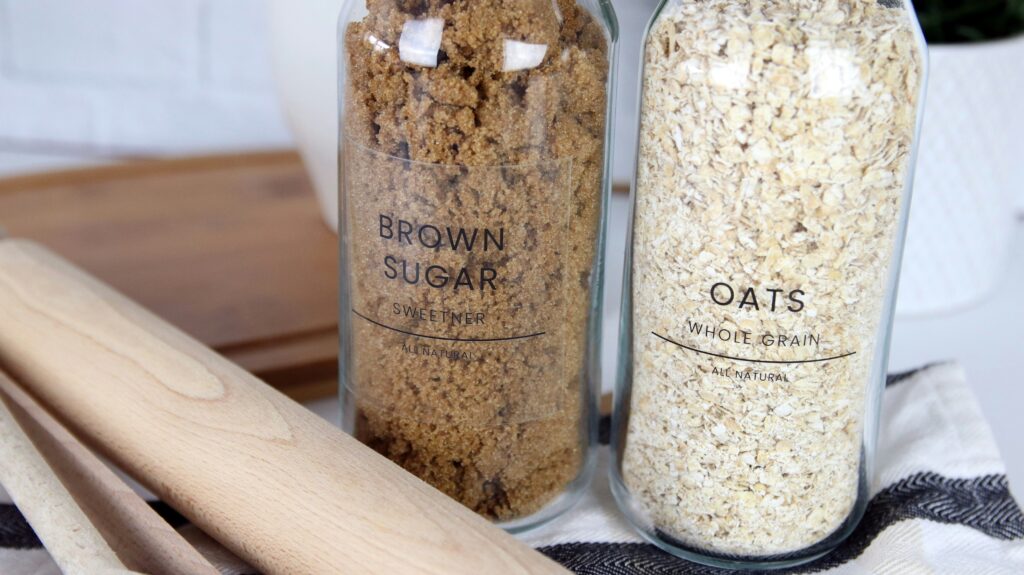
Kitchen: Add shelf risers, clear pantry containers, and drawer dividers to maximize cabinet space.
Bathroom: Use stackable bins, under-sink organizers, and over-the-door storage.
Bedroom: Take advantage of under-bed storage, closet organizers, and multi-functional furniture.
Home Office: Use vertical shelving, drawer dividers, and desktop organizers to keep supplies visible but contained.
Although every room has unique needs, these core systems remain surprisingly similar.
A Small Trick That Makes Storage Easier
When organizing any room, place frequently used items between waist and eye level whenever possible. This simple adjustment reduces bending, reaching, and searching. It also makes maintaining the system easier because everyday items stay accessible.
One Mistake That Creates More Clutter
Avoid buying organizers before understanding the problem. Many people purchase bins, baskets, and containers first, only to discover they do not fit their space or habits.
Sort and declutter first. Then choose organizers that support the system you have already created.
What Matters More Than Fancy Storage Products
If there is one thing I have learned from organizing small spaces, it is this: systems matter more than products. A simple basket used consistently works better than expensive organizers that nobody maintains. Focus on making storage easy to understand and easy to use.
The best storage ideas for small spaces are often the simplest. Use vertical space, create clear zones, store items near where you use them, and build systems that match your daily habits. You do not need a larger home to feel organized. With a few thoughtful changes, every room can become easier to manage, easier to clean, and more comfortable to live in.
Featured image credit: Photo by Phước Sang on Unsplash
Leave a Reply