
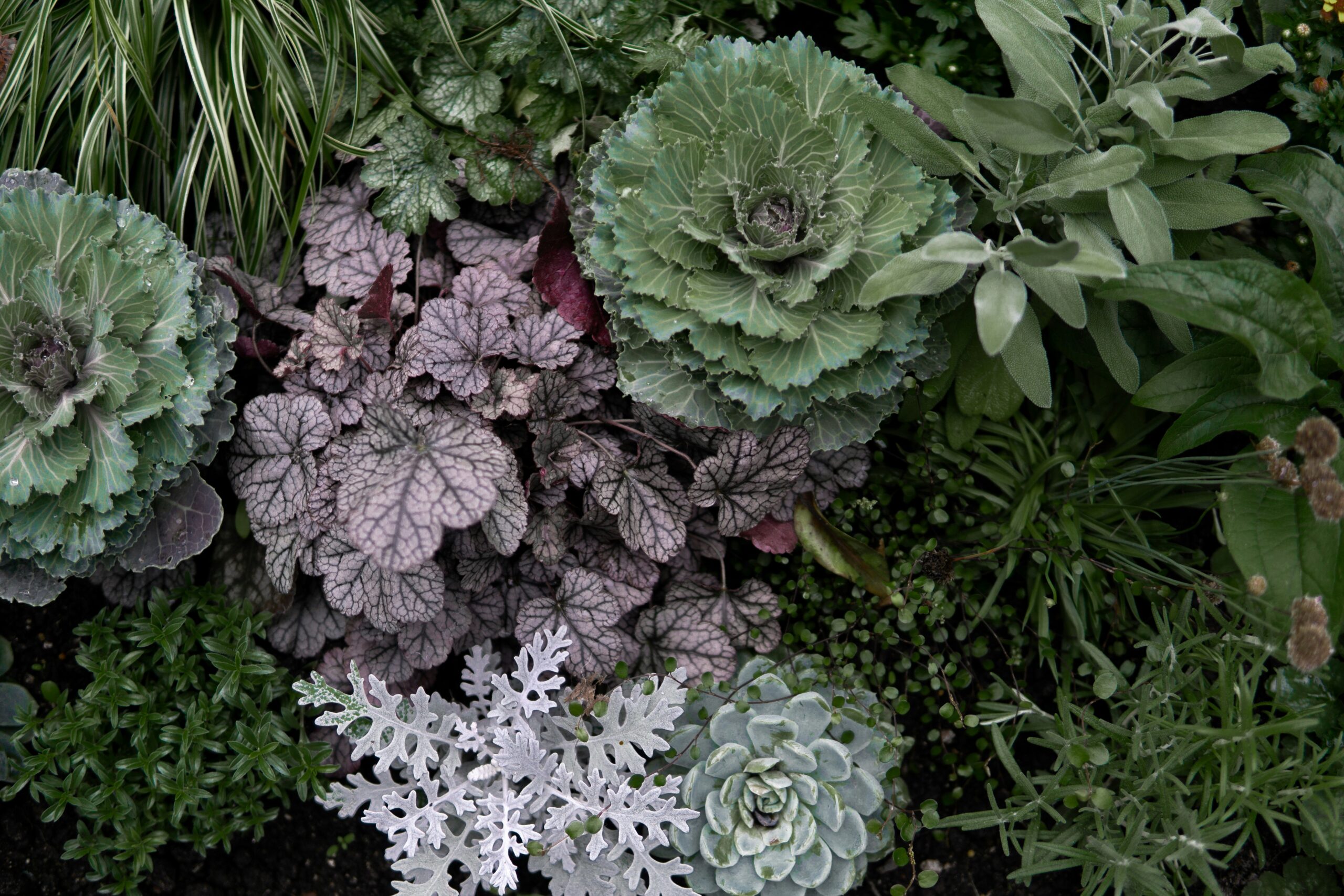
If your raised bed garden isn’t doing as well as you hoped, you might be missing one simple thing. You might not be thinking about which plants grow best together. That’s exactly what companion planting is all about. And once you understand it, gardening becomes so much easier and more rewarding.
I’ve been growing vegetables in raised beds for several years now. I’ve made plenty of mistakes. But learning about companion plants changed everything for me. My harvests got bigger. My pest problems got smaller. And I started enjoying my garden a whole lot more.
So let me walk you through what you need to know.
What Is Companion Planting, Exactly?
Companion planting is the practice of growing certain plants close to each other because they help one another. Some plants keep pests away. Some attract helpful insects. Others add nutrients to the soil. When you pair the right plants together, they work as a team. Think of it like finding the perfect study buddy. When the two of you click, you both do better.
The opposite is also true. Some plants really don’t get along. Planting them next to each other can slow their growth or invite problems. Knowing who likes who makes all the difference.
Why Raised Beds Are Perfect for This
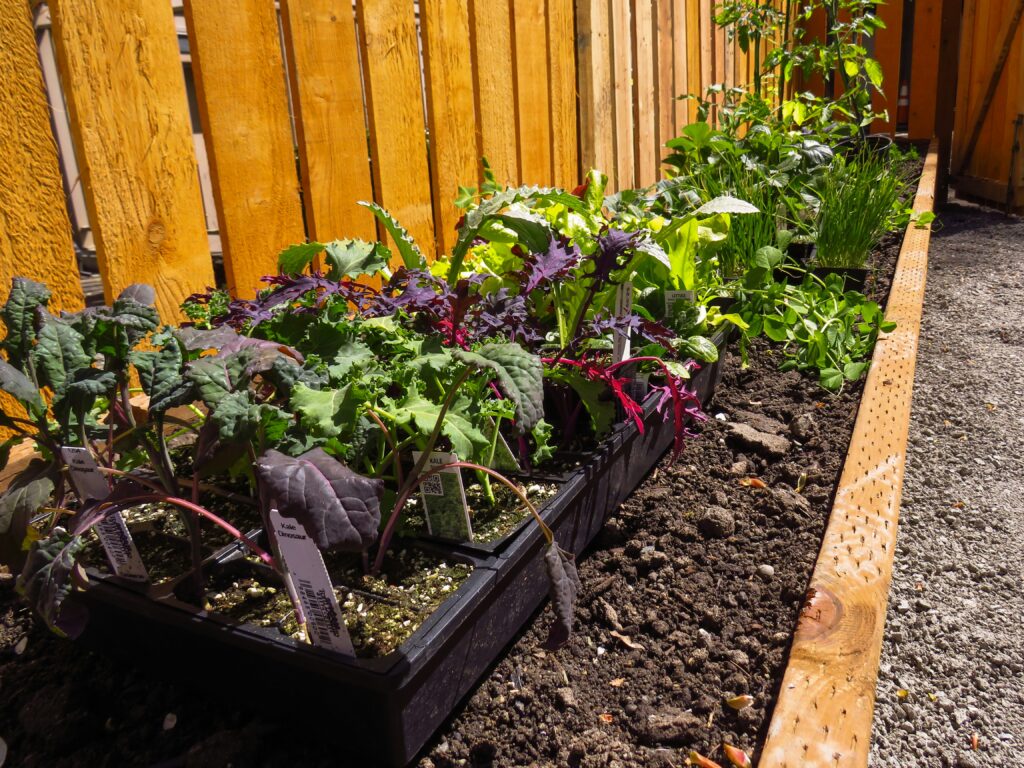
Raised beds give you control. You decide exactly what goes where. That makes them ideal for companion gardening because you can plan your layout carefully from the start. You’re not stuck with whatever the ground gives you. You get to design the whole thing.
Because raised beds are smaller than traditional garden plots, your companion planting layout also becomes easier to manage. You can clearly see which plants are neighbors. You can move things around each season without too much hassle.
The Classic Example: The Three Sisters
If you want to see companion planting at its best, look at the Three Sisters. This is a centuries-old planting method used by many Native American communities. It combines corn, beans, and squash in one space.
The corn grows tall and gives the beans something to climb. The beans pull nitrogen from the air and put it into the soil, feeding the corn and squash. The squash spreads along the ground and blocks weeds with its big leaves. It also keeps the soil cool and moist. Three plants, three jobs, one thriving garden. It’s a beautiful thing.
A Simple Companion Planting Chart to Start With
You don’t need a complicated companion planting chart to get started. Here are some tried-and-true pairings that work really well in raised beds.
Tomatoes love basil. Basil is said to repel aphids and whiteflies, and many gardeners swear it makes tomatoes taste better too. Plant basil right at the base of your tomato plants.
Carrots and onions are another great team. Onions help deter carrot flies. Carrots, in return, help loosen the soil around onions. They genuinely support each other.
Marigolds are the all-stars of companion planting vegetables. Plant them around the edges of your raised bed. They repel nematodes, aphids, and even some beetles. They’re also cheerful and bright, which is a bonus.
Cucumbers and nasturtiums work well together. Nasturtiums act as a trap crop, meaning they lure aphids away from your cucumbers. The aphids attack the nasturtiums instead. Meanwhile, your cucumbers thrive.
Lettuce and tall plants like tomatoes or peppers make a smart pair. The tall plants provide shade, which lettuce loves in warm months. In return, lettuce acts as a living mulch, keeping the soil beneath the taller plants from drying out.
Plants That Should Stay Apart
Just as important as knowing good neighbors is knowing the bad ones. Fennel is notorious for not getting along with almost anything. Keep it far from your vegetable beds. Onions and beans don’t do well together either, so keep them on opposite sides of your raised bed. And never plant tomatoes right next to brassicas like cabbage or broccoli. They tend to compete and drag each other down.
How to Plan Your Companion Planting Layout
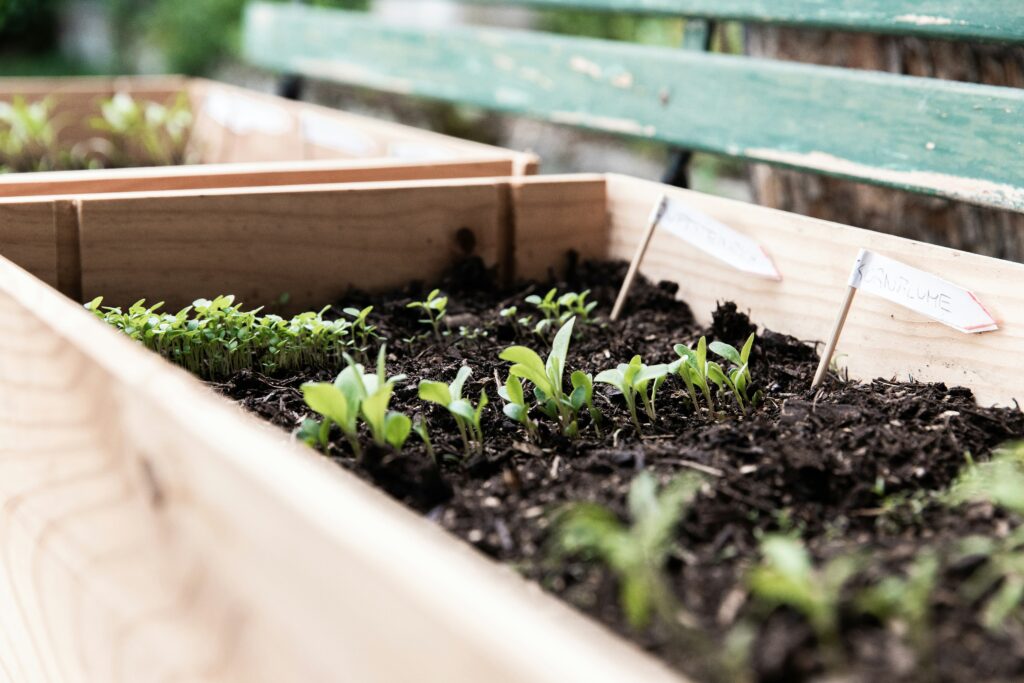
Start by drawing a simple sketch of your raised bed on paper. Write down every vegetable you want to grow this season. Then group your companion planting vegetables strategically. Place the pairs and trios you know get along near each other. Keep the bad neighbors separated.
A good resource for digging deeper into plant combinations is Gardener’s World, which covers companion planting in helpful detail with real growing advice. It’s worth bookmarking.
Once you’ve planned it out on paper, you’ll feel so much more confident heading into planting season. A little planning now saves a lot of frustration later.
One More Tip From My Own Garden
Don’t try to do everything at once. Pick two or three companion planting pairs to try this season. Watch how they do. Take notes. Adjust next year. This is not a one-and-done process. It’s a learning curve, and that’s completely okay.
Companion gardening rewards patience and observation more than perfection. Your garden doesn’t need to be textbook-perfect. It just needs to be alive, growing, and improving season by season.
You’ve got this. Your raised bed is waiting.
Featured image credit: Photo by Anja Junghans on Unsplash
Leave a Reply