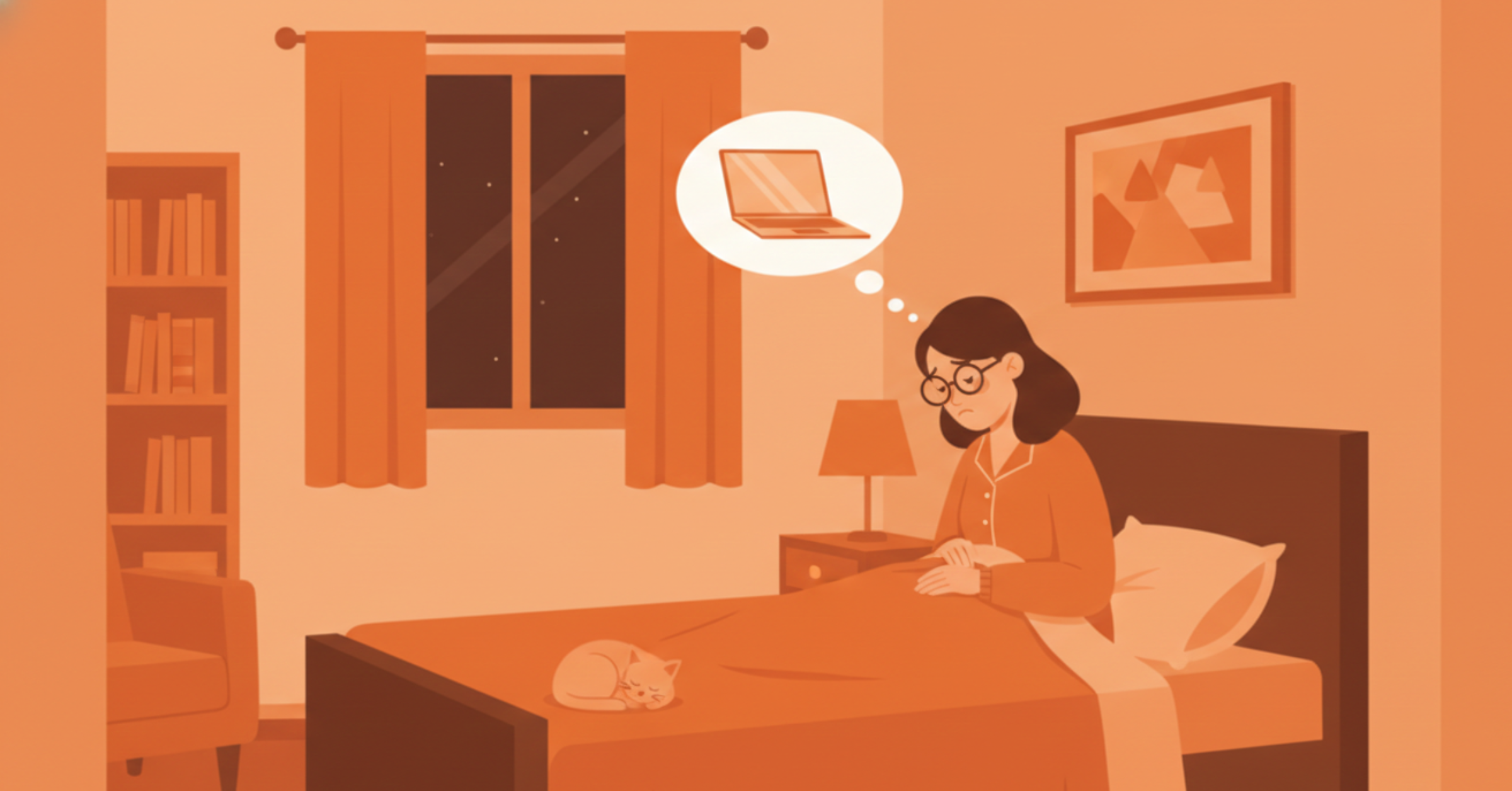
You finally sit down to rest, maybe scrolling your phone or staring out the window. Almost immediately, a quiet discomfort shows up. You think about unfinished tasks, emails you could send, or ideas you should be working on. Even though you are tired, you feel guilty for resting. For many self-employed people, rest does not feel neutral. It feels earned only after exhaustion.
This guilt is not a personal flaw. It comes from how the self-employed work system interacts with the brain, money stress, and identity. To understand how to stop feeling guilty for resting, it helps to see why the guilt appears in the first place. The reasons below explain what is happening and how you can begin to navigate it more gently.
Your Brain Links Rest With Risk When Income Feels Unstable
When you are self-employed, rest often means stepping away from the activity that brings income. The brain interprets this pause as potential danger, especially when income is inconsistent. Research on stress and uncertainty shows that financial unpredictability keeps the nervous system alert even during downtime.
To navigate this, you should separate rest from income outcomes. Consider planning rest into your week in advance so your brain learns that rest is part of staying functional, not a signal of loss. Writing this into a simple schedule can help, and it leaves room for a worksheet later.
Productivity Becomes Tied to Self-Worth
Many self-employed people slowly begin to measure their value by how much they produce. This link strengthens because there is no manager setting boundaries, only you. Studies on work identity suggest that when roles blur, people judge themselves more harshly during inactivity.
You can reduce this guilt when resting by naming effort separately from worth. After work hours, remind yourself that value does not increase minute by minute. Even a short sentence written down can interrupt the automatic self-judgment.
You Carry Full Responsibility Without Clear End Times
In traditional jobs, the workday often ends because the system says it does. When you work for yourself, responsibility feels ongoing. Cognitive science shows that unfinished tasks stay active in the mind, which increases guilt when you stop.
To manage this, you should create clear stopping points, even if work is not complete. Make a short list of what you will return to tomorrow. This helps the brain release the task for now and allows rest to feel more permitted.
Hustle Culture Rewards Overwork, Even When It Hurts
Online spaces often praise long hours and constant effort. Over time, this creates a belief that rest equals laziness. Research on social comparison shows that repeated exposure to these messages can distort personal standards.
Here is a clear position worth stating. Constant hustle is not a sign of commitment. It is often a sign of poor recovery. To navigate this, you should limit exposure to content that glorifies burnout and replace it with voices that normalize sustainable work.

Rest Triggers Guilt Because It Feels Unproductive
The brain likes visible progress. Rest does not produce immediate results, so it feels suspicious. Neuroscience research shows that the brain rewards completion, not recovery, even though recovery improves performance long term.
You can reframe rest as maintenance rather than reward. Consider rest as something that protects future focus and decision quality. This shift does not remove guilt instantly, but it gives rest a clearer role.
You Fear Falling Behind Others
Many self-employed people compare themselves to peers who seem to work nonstop. This comparison often lacks context. Research on social media behavior shows that people mostly share effort, not rest or recovery.
To reduce guilt when resting, you should question what you are comparing against. Ask yourself whether you are seeing a full picture. This question does not need an answer right away, and it can sit with you quietly.
Your Body Is Tired, But Your Mind Is Still Alert
Chronic stress keeps cortisol levels elevated, which makes the body tired while the mind stays active. This mismatch creates discomfort during rest. Sleep and stress research consistently shows that recovery lags behind stress exposure.
You can navigate this by choosing gentler forms of rest at first. Instead of full inactivity, try slow movement or quiet tasks. Over time, your nervous system learns that slowing down is safe.
A Note on When This Guilt May Feel Different
For some people, guilt of resting connects with anxiety disorders or past experiences where rest was criticized. In those cases, self-guided strategies may help less, and professional support can be useful. This does not mean the explanations above are wrong. It means the system is under heavier strain.
What Actually Matters More Than Pushing Through
There is a common belief that if you stop, everything will fall apart. The more accurate view, supported by occupational health research, is that performance drops when recovery disappears. Rest is not a weakness in self-employment. It is a requirement.
If you are feeling guilty for resting, the guilt itself is information. It shows how much responsibility you carry and how little margin the system leaves you. The goal is not to eliminate guilt overnight. It is to understand it well enough that it stops running your decisions.
You do not need to prove that you deserve rest. Over time, as you notice how rest supports focus and steadier work, the guilt when resting often softens on its own. And if it does not fully go away, that does not mean you are failing at rest. It means you are learning how to work in a system that asks a lot from one person.
Also read: How to Rebuild Confidence After a Failed Business