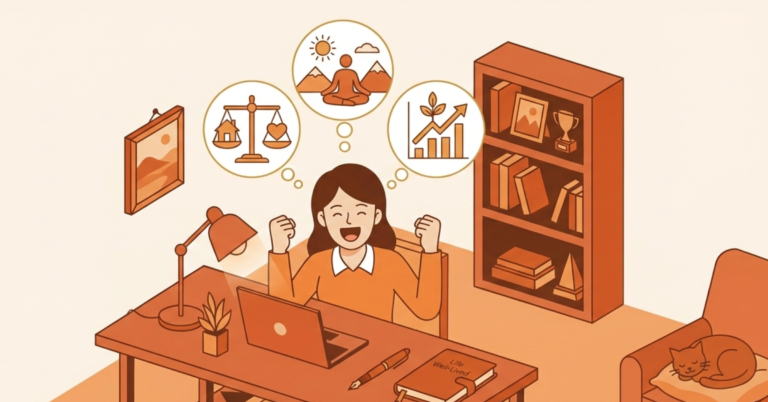
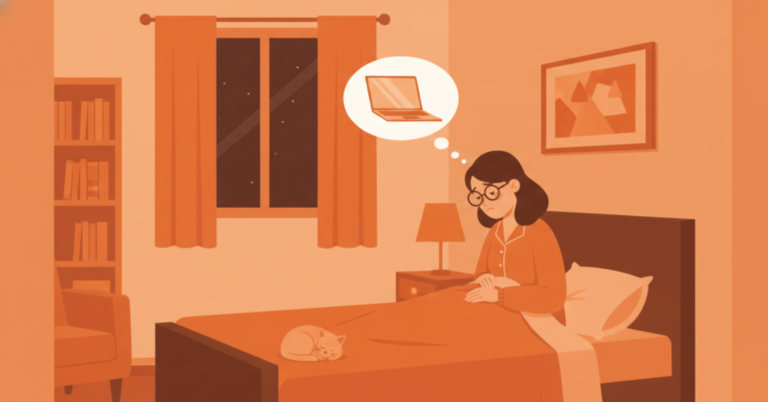
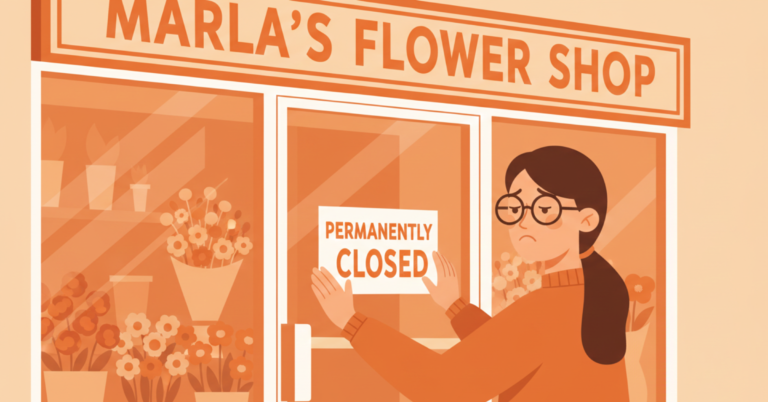
You wake up on time. You finish your work. You reply to messages. From the outside, nothing looks wrong. But inside, everything feels heavy, dull, and harder than it should be. This is quiet burnout. It often goes unnoticed because you are still functioning. And that is exactly why burnout recovery gets delayed.
Quiet burnout is not dramatic. There is no collapse. There is only slow exhaustion that blends into daily life. Let’s take a closer look at it.
What are the five stages of burnout?
Burnout usually develops in stages, not all at once. Most researchers describe five common stages, though people may move back and forth between them.
1. Honeymoon stage
You feel motivated and committed. So, you push yourself willingly. In this phase, stress feels manageable or even exciting.
2. Onset of stress
You start noticing tiredness, irritability, or small physical issues. You still perform well, but effort increases.
3. Chronic stress
Stress becomes constant. As a result, sleep, digestion, and focus suffer, and you may feel emotionally flat or detached.
4. Burnout
Energy drops sharply, and work feels meaningless. You may feel numb, hopeless, or trapped.
5. Habitual burnout
Burnout becomes your normal state. This is where burnout recovery becomes longer and harder.
Not everyone reaches the final stage. Quiet burnout often sits between chronic stress and full burnout.
What does severe burnout feel like?
Severe burnout is not just “being very tired.” It affects how you think, feel, and function. Emotionally, you may feel empty rather than sad. Things that once mattered no longer register. Even good news feels distant.
And mentally, your thoughts slow down. Simple decisions feel overwhelming.
You may reread the same sentence many times. Physically, your body feels heavy. You wake up tired even after sleeping, and small tasks feel like they require too much effort.
Socially, you withdraw without meaning to. Conversations feel draining. To make things worse, you may avoid people you care about.
A common sign of quiet burnout is this: You can still meet expectations, but at a high internal cost. Many people describe feeling like they are “running on emergency power.” The system works, but only barely.
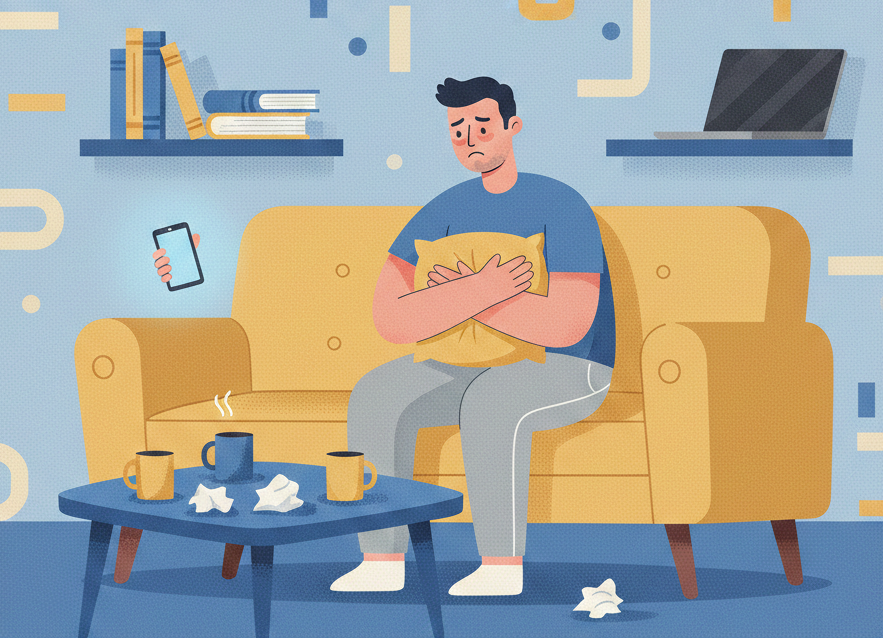
Why do high performers burnout?
High performers burn out more often than others. This is a well-documented pattern in workplace research.
They tend to:
- Set high internal standards
- Take responsibility seriously
- Delay rest until everything is done
They are also more likely to ignore early warning signs. Functioning becomes proof that nothing is wrong.
There is a popular and widely accepted view here: Burnout is not a personal failure. It is a systems problem.
Workplaces often reward overwork. Recovery is treated as optional, not necessary. And that’s exactly why high performers adapt until their bodies force a stop.
What is the 42% rule for burnout?
The “42% rule” is often mentioned in workplace burnout discussions. It comes from survey-based research and general observation, not a strict medical rule. The idea is this: When job demands increase by around 40% or more without added support, burnout risk rises sharply.
This is not an exact number. But it is a way to explain imbalance.
If your workload grows, but your time, control, or rest does not, stress accumulates. Quiet burnout thrives in this gap.
How long does it take to recover from a burnout?
Burnout recovery does not have a fixed timeline. Most research and clinical observations suggest months, not weeks.
Mild burnout may improve in a few weeks with real rest. Moderate burnout often takes several months. But severe burnout can take a year or longer.
This depends on:
- How long burnout lasted
- Whether the cause has changed
- Access to rest, support, and financial safety
A common mistake is returning to the same pace too quickly. This often leads to relapse.
Remember, burnout recovery is not about motivation. It is about nervous system repair.
Stages of burnout recovery
Burnout recovery also happens in stages, and understanding them helps reduce frustration.
Stage 1: Stopping the damage
Reducing workload or stress exposure. This is often the hardest step.
Stage 2: Physical recovery
Sleep improves, and energy slowly returns.
Stage 3: Emotional processing
Feelings surface that were previously suppressed. This can feel uncomfortable but is normal.
Stage 4: Rebuilding capacity
Focus and confidence return gradually, and you learn new limits.
Stage 5: Sustainable functioning
Work no longer costs your health. This stage requires boundaries.
Not everyone moves through these stages smoothly, and setbacks are common.
Does burnout qualify for disability?
This depends on the country and legal system. In many places, burnout alone is not officially classified as a disability. However, burnout-related conditions may qualify. These include depression, anxiety disorders, or chronic fatigue.
Medical documentation is usually required to come to a conclusion. In such cases, short-term leave is more common than permanent disability, which is a limitation worth noting. People with severe burnout often need support before systems recognize it.
Here is the most supported view across research and clinical practice: You cannot recover from burnout while maintaining the same expectations. Small self-care habits help, but they are not enough. Burnout recovery requires structural change.
This may mean:
- Fewer hours
- Different roles
- Clear boundaries
- Saying no more often
Rest without change only delays burnout.
Quiet burnout is easy to miss because you still function. But functioning is not the same as being well. If you recognize yourself here, consider these questions:
- What tasks cost me the most energy right now?
- What am I tolerating that feels unsustainable?
- What would “enough rest” actually look like for me?
Remember, burnout recovery starts with noticing. Once you learn to recognize the signs, the rest becomes easier.
If this post felt familiar, please consider saving or sharing with someone who is quietly exhausted too.