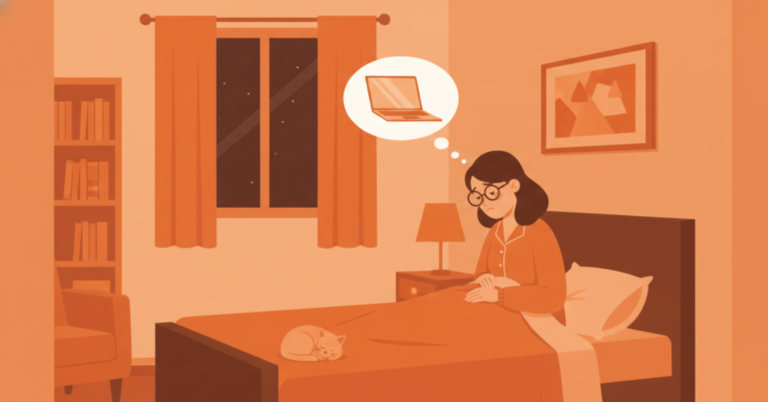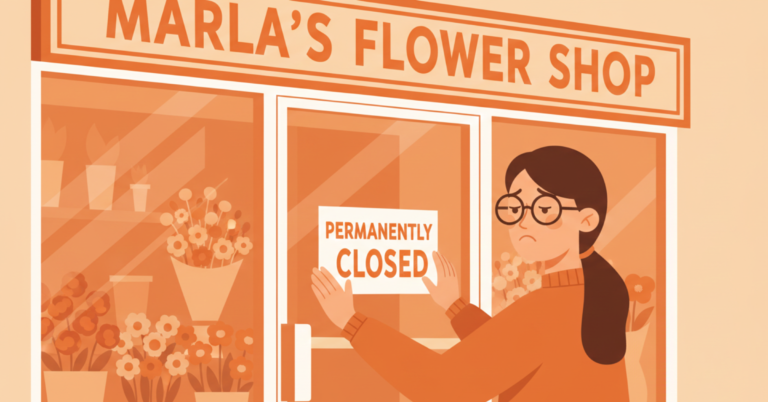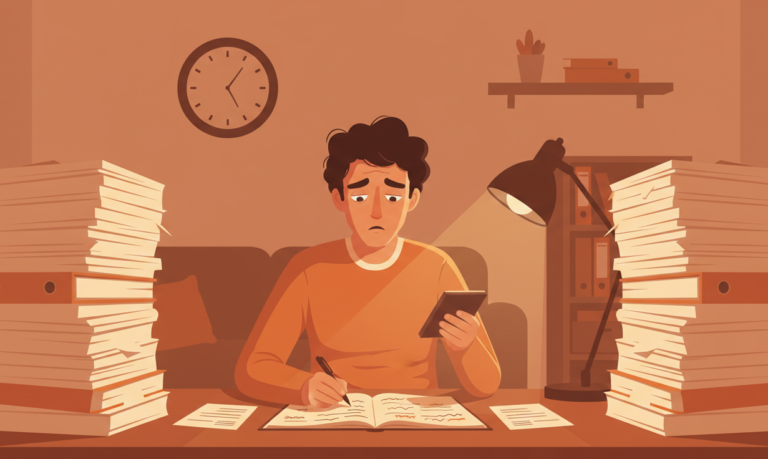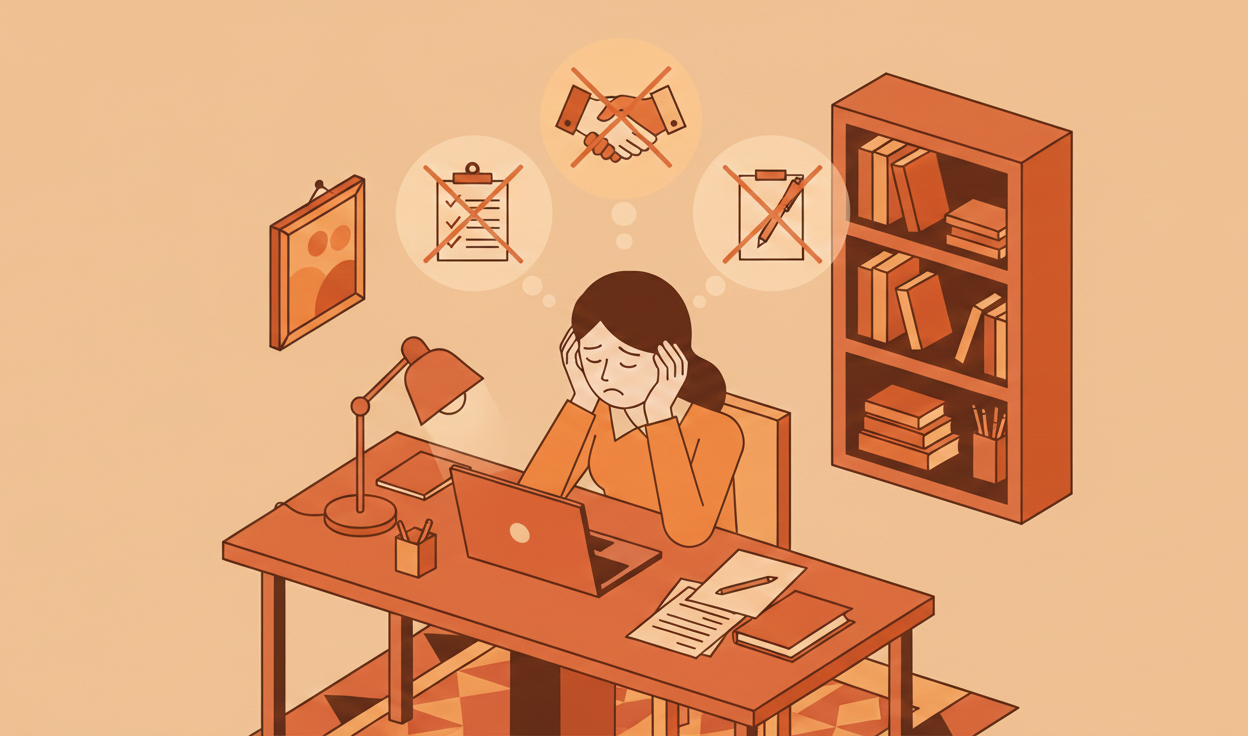
You do your work well. People trust you. On paper, your life looks stable or even promising. Yet, somewhere underneath, you feel a quiet pressure that something is not moving. You may not feel unhappy every day, but you feel paused, as if life forgot to load the next chapter. This experience is common among capable, thoughtful people, and it often shows up as feeling stuck in life without a clear reason.
This feeling can confuse you because it does not match your abilities or efforts. To understand it better, it helps to look at what “stuck” really means for high-potential people and why it happens so often.
What Feeling Stuck in Life Really Means for High-Potential People
Feeling stuck in life does not always mean failure, lack of skill, or poor choices. For many high-potential people, it means you have outgrown your current structure, but you have not built the next one yet.
You may still perform well, meet expectations, and handle responsibilities. However, your internal growth no longer matches your external setup. Over time, this gap creates tension. You feel restless, tired, or emotionally flat, even when nothing is “wrong” in an obvious way.
Researchers who study motivation often describe this as a mismatch between competence and autonomy. In simple terms, you can do the work, but you no longer feel ownership or direction. This mismatch shows up often in adults between 18 and 45, especially those who value responsibility and long-term stability.
Why High Potential Often Leads to Feeling Stuck in Life
You Learn to Succeed Inside Existing Systems
From an early age, high-potential people often learn how to succeed within rules. You follow instructions, meet deadlines, and adjust quickly. This skill helps you move forward early in life, especially in school or early careers.
However, later on, progress depends less on following systems and more on designing your own. When no one gives you clear milestones, you may hesitate. You wait for the “right” signal to move, even though no one is going to give it. Over time, this waiting feels like being stuck.
This matters because ability alone does not create direction. At some point, you need personal criteria for progress, not just external approval.
You Carry a High Sense of Responsibility
High-potential people often feel responsible not only for themselves but also for others. You think about family expectations, financial stability, and long-term consequences. This awareness helps you avoid reckless choices, but it also slows decision-making.
When every option feels like it could affect many people, choosing one path feels risky. As a result, you stay where you are longer than you want. You may call this patience, but emotionally it feels like stagnation.
This is one of the most common reasons people report feeling stuck in life even when they have options.
You Avoid Wasting Your Potential
Another quiet pressure comes from the fear of choosing the “wrong” path. When you know you can do many things, narrowing down feels like loss. You worry that committing to one direction means giving up others.
Psychologists often note that people with many options experience more regret and decision fatigue. Instead of moving forward, you keep refining plans, researching, and preparing. On the outside, it looks like careful thinking. On the inside, it feels like being emotionally stuck.
This is not a motivation problem. It is a prioritization problem.
The Emotional Side of Feeling Stuck in Life
You Feel Emotionally Stuck, Not Lazy
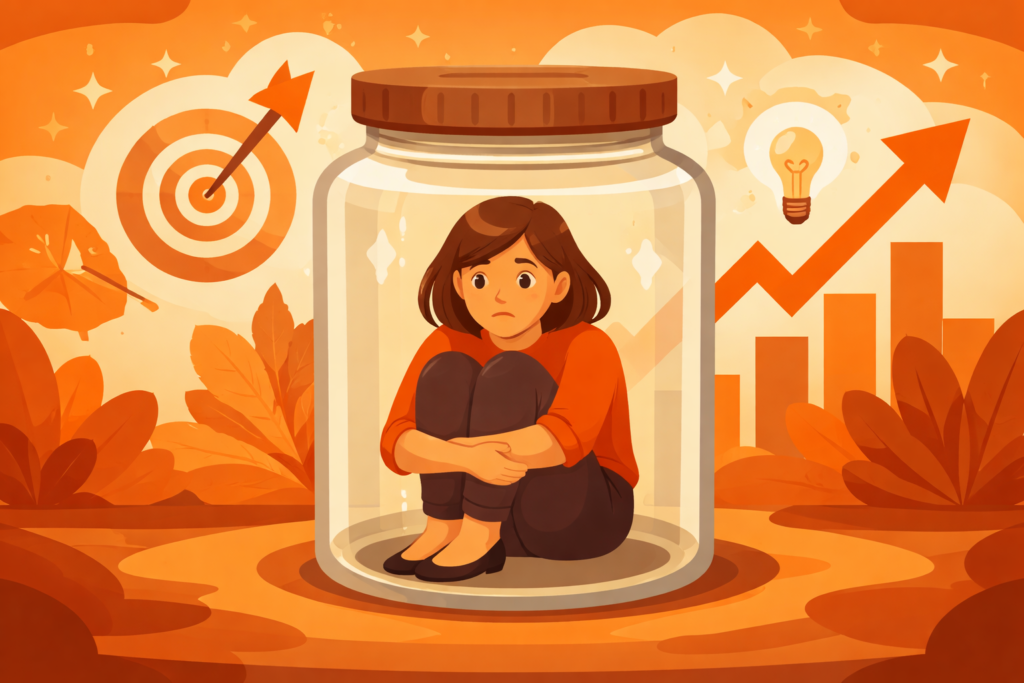
Many people describe this state as feeling emotionally stuck rather than unmotivated. In this state, you still care and you still think about the future. But you also feel disconnected from momentum.
This emotional pause often shows up as low-grade anxiety, boredom, or constant mental noise. You may feel guilty for not feeling grateful enough, especially if your life looks “fine.” That guilt adds another layer of pressure and makes it harder to act.
It helps to recognize that emotional stuckness often signals overload, not weakness.
You Confuse Stability With Progress
Stability is valuable. It pays bills, builds trust, and protects your energy. However, stability without growth can slowly drain motivation.
High-potential people often stay in stable situations longer because they can manage them well. Over time, managing replaces learning. When learning slows down, meaning often follows.
This does not mean you should abandon stability quickly. It means you should notice when stability stops serving development.
Reminder: Feeling Stuck in Life Is Often a Design Problem
Here is the most important point: for high-potential people, feeling stuck in life is rarely a mindset issue. It is usually a design issue.
Popular advice often focuses on motivation, confidence, or positive thinking. While these help in some cases, they do not address the core problem. The real issue is that your life structure no longer matches your current needs, values, or capacity.
Once you see this, the question changes from “What is wrong with me?” to “What system am I operating in, and does it still fit?”
This shift matters more than any quick fix.
Signs You Are Ready for a Life Adjustment, Not a Complete Overhaul
Not everyone who feels stuck needs a major life change. In fact, assuming that you need to “start over” can increase fear and delay action.
You may need an adjustment if:
- You feel capable but underused
- Your days feel full but not meaningful
- You keep planning but rarely executing
- Small changes feel safer than big leaps
These signs suggest refinement, not destruction.
Practical Things to Do When Feeling Stuck in Life
Instead of dramatic changes, focus on low-risk actions that restore movement. These are practical things to do when feeling stuck in life, especially when energy feels limited.
Redesign One Small Area at a Time
Begin by choosing one area you can influence without major consequences. This could be how you structure your mornings, how you learn new skills, or how you use your weekends.
Make sure the change creates feedback. For example, learning something new each week gives you a sense of progress without threatening stability.
Replace Long-Term Pressure With Short-Term Experiments
High-potential people often think in long timelines. While this helps planning, it can paralyze action.
Instead, run short experiments. Try something for 30 days without deciding its future. This lowers emotional risk and helps you collect real data about what works.
Be Mindful of Over-Optimization
One common trap is trying to perfect the plan before starting. This often looks productive but delays action.
Be mindful of this tendency. When you notice yourself refining instead of acting, pause and choose the smallest next step that creates movement.
Protect Energy, Not Just Time
Feeling stuck in life often worsens when your energy stays low. Pay attention to what drains you emotionally, not just what takes time.
You do not need to remove all draining tasks. You should balance them with activities that restore curiosity or calm.
Limitations and Exceptions to Keep in Mind
Not all stuckness comes from internal design problems. External factors like health issues, financial stress, or unsafe environments can limit options. In these cases, advice focused on personal change may feel frustrating or unrealistic.
If your situation includes serious constraints, your priority should be safety and support, not optimization. Growth can wait when stability is at risk.
Moving Forward Without Pressure
Feeling stuck in life does not mean you failed to use your potential. Often, it means your potential outgrew the structure you built earlier.
You do not need to rush, compare yourself to others, or make dramatic decisions. You should focus on restoring movement in small, thoughtful ways. Over time, movement rebuilds confidence, clarity, and trust in your own judgment.
The most important thing to remember is this: feeling stuck in life is not a permanent state. With the right adjustments and patience, you can create a system that fits who you are now, not who you were expected to be before.
If you take one step at a time and allow yourself room to test, learn, and adjust, you give yourself something far more useful than pressure. You give yourself a way forward.
Also read: Quiet Burnout: Signs You’re Tired but Still Functioning