
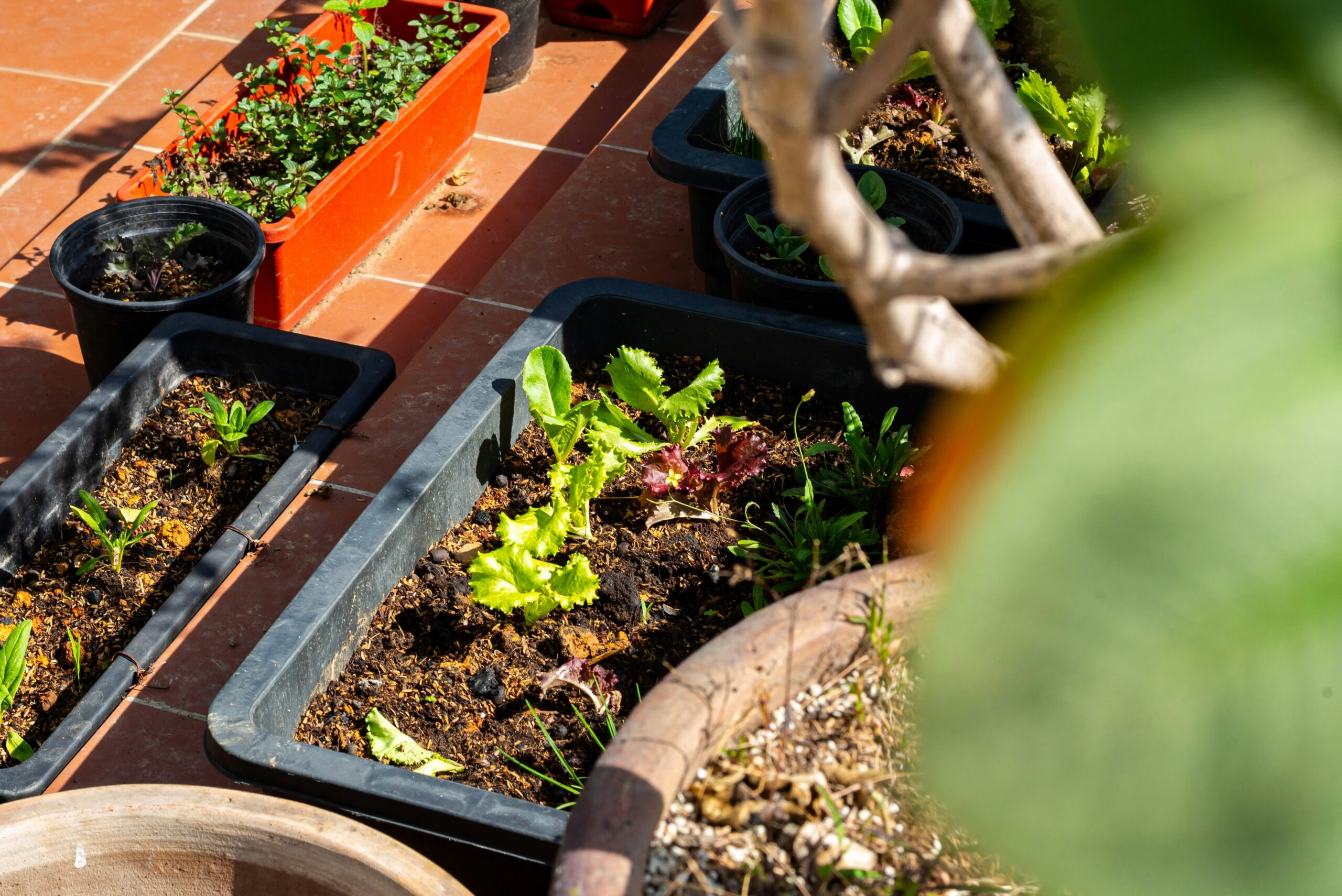
If your balcony only gets morning light, or a building blocks the sun from your garden for most of the day, you may have assumed that growing vegetables is simply not possible. I used to think the same way about shady corners. The truth is that you have fewer choices, but you are not out of options.
Most vegetables need around 6 to 8 hours of direct sunlight for strong growth and large harvests. However, leafy greens and several cool-season crops can handle much less.The key is to stop trying to make sun-loving plants behave like shade plants and choose crops that naturally tolerate lower light. Here are the vegetables I would consider first.
What Vegetables Can Grow in the Shade?
Before choosing your seeds, take a day to watch how sunlight moves across your space. Part shade usually means about 3 to 6 hours of sunlight, while full shade means less than 3 hours. That difference matters because most vegetables described as “shade tolerant” still need some light to grow.
If your space receives only bright indirect light with almost no direct sun, focus mainly on leafy crops and herbs. If you get three to six hours of direct morning or afternoon sun, you can grow a much wider selection.
1. Lettuce
Lettuce is one of the first vegetables I would choose for a shaded balcony or garden because it does not need the intense sunlight that tomatoes and peppers require. Grow loose-leaf varieties in spring or fall when temperatures stay mild, giving them around 3 to 5 hours of sunlight or bright filtered light. Keep the soil consistently moist because lettuce has shallow roots, and mix compost into the growing area before planting rather than feeding heavily later. You can start harvesting baby leaves in roughly 30 days and continue picking outer leaves for several weeks. In a container, a 6-inch-deep planter works well, and a small moisture meter can help you avoid letting the soil dry out.
2. Spinach
Spinach is another reliable choice when sunlight is limited, particularly during the cooler parts of the year. Plant it in early spring or late summer for a fall crop, depending on your local climate. Aim for about 3 to 5 hours of sunlight, preferably morning sun, and keep the soil evenly moist. Add a layer of compost before planting and refresh it lightly between successive crops rather than adding large amounts of fertilizer. Baby leaves can become harvestable in about 35 to 45 days, and you can pick individual leaves for repeated harvests. Spinach actually prefers cool conditions, which makes a partially shaded space useful when full sun would make the soil and leaves too warm.
3. Kale
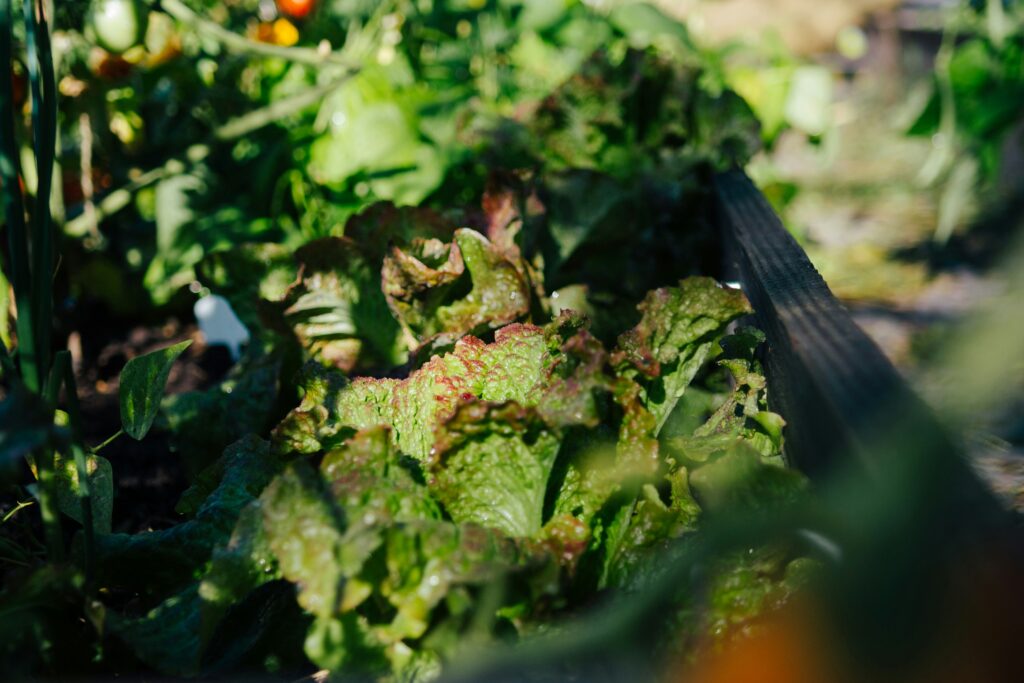
Kale handles partial shade particularly well and gives you a longer harvesting window than many delicate greens. Plant it in early spring or late summer for a fall crop, although the exact timing depends on your climate. Give it around 4 to 6 hours of light when possible, keep the soil evenly moist, and work compost into the soil before planting. Start picking young leaves after roughly 40 to 60 days, then continue harvesting the outer leaves while the center keeps producing. A deeper container of about 8 to 12 inches works well if you are growing kale on a balcony.
4. Swiss Chard
Swiss chard is particularly useful if your shaded garden stays warm because it continues producing leaves even when growth slows during summer. Give it around 4 to 6 hours of light, although bright partial shade can still produce a useful crop. Plant in spring or early summer, depending on your local temperatures, and mix compost into the soil before sowing. Keep the soil consistently moist, especially in containers. Baby leaves can be harvested in about 30 days, while larger leaves usually take around 50 to 60 days. Pick the outside leaves rather than cutting the whole plant, and you can return for multiple harvests.
5. Radishes
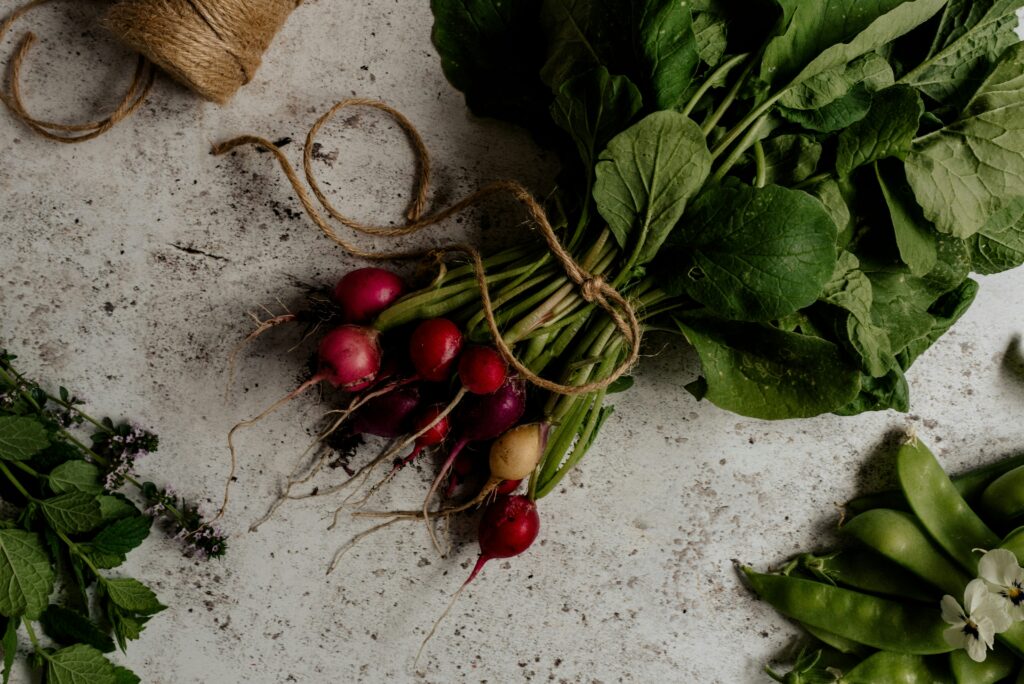
Radishes need more light than lettuce or spinach, but they can still produce edible roots with around 4 to 6 hours of sunlight. They are especially useful for a partially shaded balcony because their short growing period allows you to experiment without waiting through an entire season. Plant them during cool spring or fall weather, keep the soil evenly moist, and add compost before sowing if the soil lacks organic matter. Small varieties can mature in roughly 25 to 35 days. Use a container at least 6 to 8 inches deep and thin the seedlings early so the roots have room to expand.
6. Green Onions
Green onions are one of the easiest vegetables for a low-light garden because you can harvest the leaves without waiting for large bulbs to develop. Give them around 4 hours of sunlight if possible, although bright filtered light can still support growth. Plant them during the cooler months and keep the soil lightly moist rather than constantly wet. A small amount of compost mixed into the potting mix before planting usually provides enough nutrition for an initial crop. You can start cutting green tops within 50 to 70 days from seed, or much sooner when regrowing rooted store-bought onions. A narrow window box works particularly well when floor space is limited.
7. Peas
Peas can tolerate some partial shade, particularly when you grow them during cool spring or fall weather. They will not produce as heavily as peas grown in full sun, but a space receiving about 4 to 6 hours of direct light can still provide a worthwhile crop. Plant them as soon as your local spring conditions allow, or start a fall crop where your climate permits. Keep the soil evenly moist and add compost before planting. Depending on the variety, you can expect the first pods around 60 to 70 days after planting. Give climbing varieties a small trellis so the plants can use vertical space instead of spreading across your limited garden.
8. Arugula
If your shaded space is small, arugula deserves a place on your list. It grows quickly and actually benefits from cooler conditions because heat can make the leaves increasingly strong and bitter. Aim for around 3 to 5 hours of sunlight and plant during spring or fall. Keep the soil moist and add compost before sowing. Baby leaves can become ready in roughly 20 to 30 days, making succession planting particularly useful. Sow a small amount every two or three weeks instead of planting everything at once. A shallow planter is enough, so you can grow several batches without using much space.
9. Mustard Greens
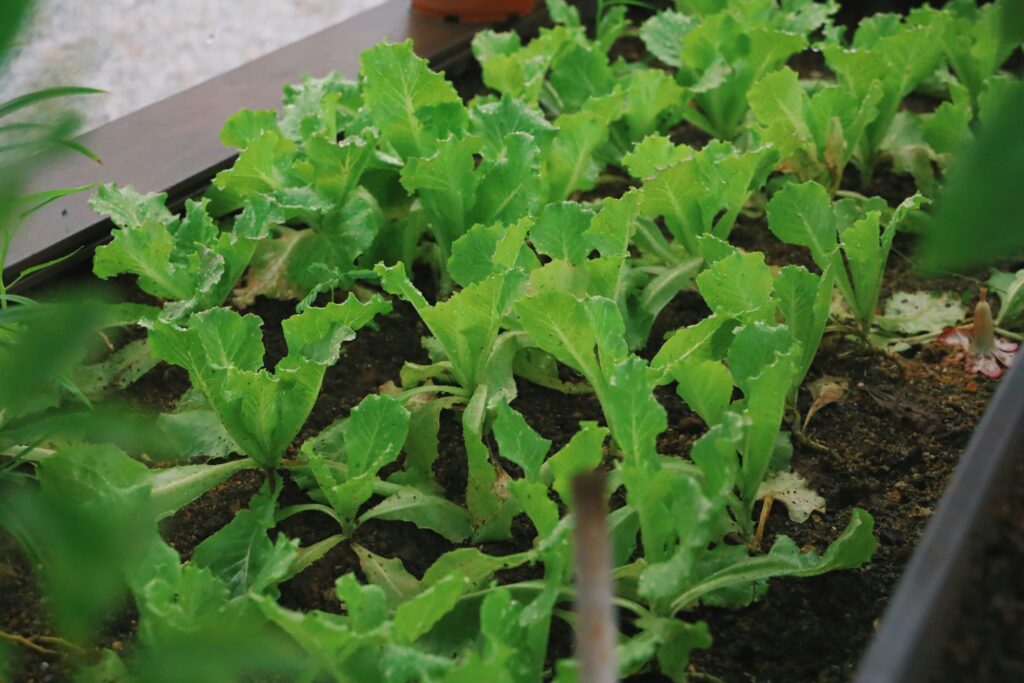
Mustard greens can grow in partial shade and make a practical choice when you want something more substantial than lettuce. Plant them during cool weather, provide roughly 4 to 6 hours of light, and keep the soil evenly moist. Mix compost into the planting area before sowing, then avoid excessive feeding because lush growth does not necessarily mean better flavor. Baby leaves may be ready in about 30 days, while larger leaves take closer to 40 to 50 days. If your balcony receives afternoon shade, that can actually help keep mustard greens from overheating during warmer weather.
10. Bok Choy
Bok choy can handle partial shade, especially when you grow it during cooler spring or fall conditions. Give it approximately 4 to 6 hours of sunlight, keep the soil evenly moist, and add compost before planting. Depending on the variety, baby bok choy can reach harvest size in around 30 to 45 days. Larger types may need closer to 50 to 60 days. Container gardeners should choose compact varieties and use a planter at least 8 inches deep. Regularly check the undersides of leaves because cabbage-family crops can attract aphids and caterpillars even in shaded areas.
11. Turnips
Turnips give you two useful crops from one plant because you can eat both the roots and the greens. They prefer cool conditions, so spring and fall are generally better planting seasons than hot summer weather. Give them around 4 to 6 hours of light, water consistently, and work compost into the soil before planting. You can begin harvesting greens earlier, while small roots often become usable after about 40 to 60 days. Do not allow the soil to dry repeatedly because drought stress can make turnips tough or bitter.
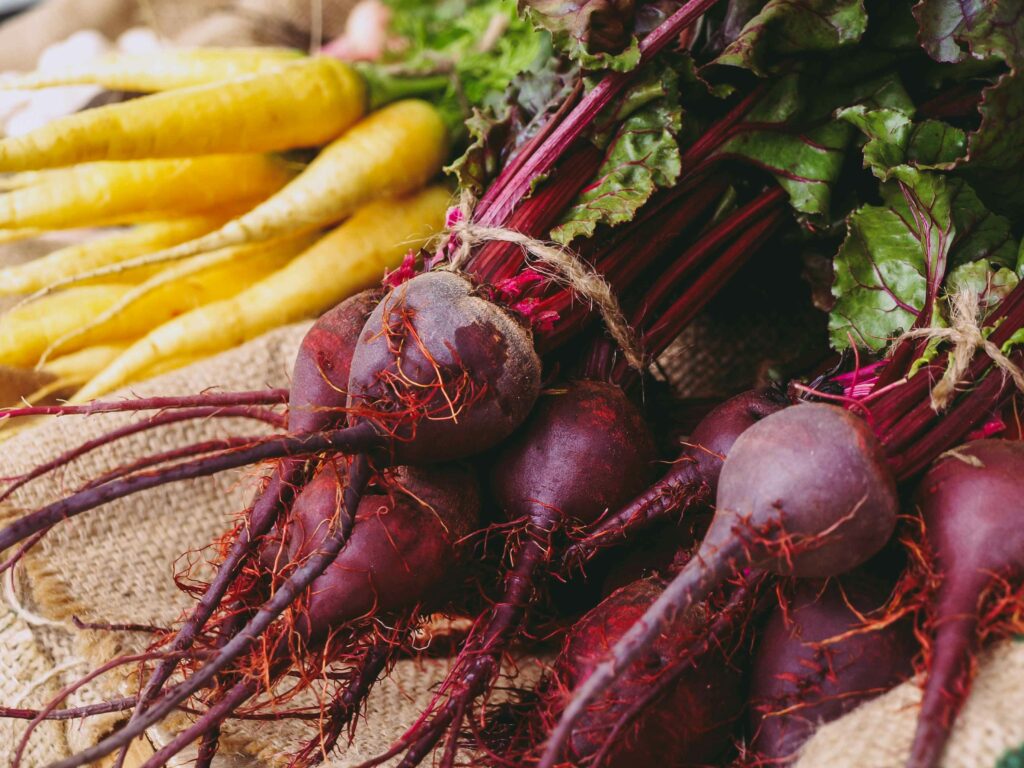
12. Beets
Beets can tolerate some shade, although you should expect smaller roots when compared with plants grown in full sun. They are a good choice for a balcony that receives several hours of morning light. Plant during cool spring or fall weather, give them around 4 to 6 hours of light, and keep the soil evenly moist. Compost improves the soil structure and provides nutrients before planting. Baby beet greens can be harvested early, while roots generally need around 50 to 65 days. Choose a container at least 8 to 10 inches deep if you want properly developed roots.
How to Get More From a Shady Vegetable Garden
The biggest advantage you have is that you can make small changes to improve the light you already receive. Place pale-colored containers or reflective surfaces near plants to bounce some available light back toward the leaves. If you grow on a balcony, move containers as the seasons change so they stay in the brightest available position.
You should also avoid placing containers directly beneath dense trees when possible. Tree roots compete with vegetables for water and nutrients, while the canopy can block more light than you realize.
For container gardens, use a quality potting mix with compost rather than heavy garden soil. Containers already dry differently from in-ground beds, and shaded containers may stay wet longer. Check the soil with your finger before watering rather than following a fixed schedule.
A Simple Shade-Garden Routine
If you are starting from scratch, I would keep the first season uncomplicated:
- Watch the light for a full day. Note where you get direct morning or afternoon sun.
- Measure your growing area. This prevents you from buying containers that are too large for a balcony or small patio.
- Start with leafy crops. Lettuce, spinach, kale, chard, and arugula are safer choices than tomatoes or peppers.
- Add compost before planting. This gives your plants a better foundation without forcing you to fertilize constantly.
- Keep the soil evenly moist. Use a moisture meter if you tend to overwater.
- Harvest young leaves regularly. Many leafy vegetables give you repeated harvests when you pick from the outside.
- Try succession planting. Sow small batches every few weeks so one harvest does not have to last the entire season.
Also read: 11 Signs of Overwatering Plants Every Gardener Should Know Before It’s Too Late
A Small Trick That Makes a Difference
If your garden receives morning sun but becomes shaded in the afternoon, use that to your advantage during hot weather. Morning light gives the plants useful energy while afternoon shade protects cool-season greens from excessive heat. In very warm periods, temporary shade cloth can also protect lettuce and other tender greens.
One Thing I Would Not Do
I would not try to force tomatoes, peppers, cucumbers, or other fruiting vegetables into a deeply shaded space simply because the seed packet says they can tolerate some shade. They may survive, but fruit production depends heavily on light. If your space receives less than about 3 hours of direct sunlight, choose leafy vegetables instead.
A Few Last Words
You do not need a perfectly sunny backyard to grow fresh vegetables. The best vegetables to grow in shade are usually leafy greens, cool-season crops, and a few root vegetables that can tolerate reduced light. Start with the brightest part of your balcony or garden, choose crops suited to that level of shade, and adjust your planting as the seasons change. With the right plants, even a low-light space can produce a useful harvest.
Leave a Reply