
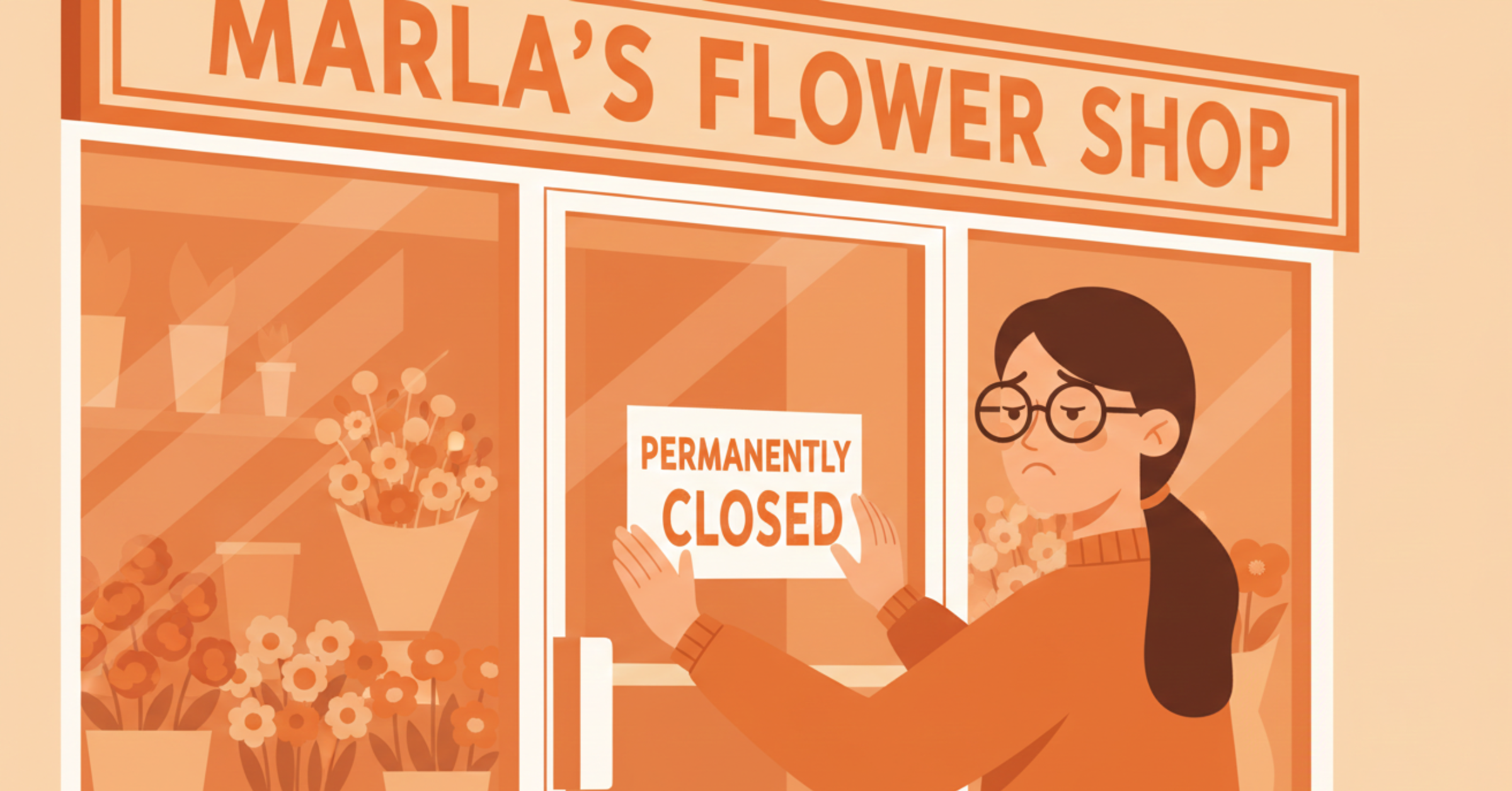
When I started my food business in 2024, I never thought that I would have to write about how to rebuild confidence after a failed business so soon. Just like other hopeful entrepreneurs, I had a notebook full of goals and tasks listed for two long years – many of which remain untouched between the pages because I couldn’t even get to those milestones. My business failed.
Looking back, starting a food business was far more challenging than trying my hand at some other trade. But to be honest, food is all I have known all my life. The pandemic in 2020 allowed my mother and I to start a small snack shop from our home. We grew it with time, and the growth gave us the confidence to start a brick-and-mortar entity.
However, like most other food businesses, ours also failed. I don’t want to get into the nitty-gritty of what went wrong – that’s for another post. However, right after the failure, I was hit with a wave of negative emotions. I felt like I was pushing against a wall just to survive. I withdrew from the whole world, constantly obsessed over ways to salvage the business, and questioned myself whether losing all that money over a restaurant was the right idea.
And before I knew it, I became someone I was not. Unfortunately, it took me months to identify that I was sabotaging my future and needed to pull myself back up before I lost more time.
Today. I will discuss what I did to cope with the failure and rebuild confidence after a failed business. Let’s begin.
Separate Your Identity From the Failed Business
On the days that followed after my failure, I used to wake up every morning and think, “I have failed. I am not capable.” I didn’t understand that these words were slowly eroding my confidence. The more I thought about the next trajectory of my career, the more discouraged I felt. What if I failed again?
What happened here was that I had merged my identity with the business – so much so that my failure had become my identity. It took me weeks to convince myself that the business failure concept applies to an outcome, not to the person who ran it.
Once I was convinced that this business was just another learning curve and stepping stone for me rather than my whole identity, I was able to separate myself from it and focus on the next project.
Name the Loss Before You Try to Fix Anything
A few weeks later, I noticed that I was quickly trying to jump into the next project. I was motivated enough, but the nagging at the back of my mind wouldn’t go away. It was then I discovered that I was trying to bury my sense of failure without properly acknowledging what I’d lost.
So, I made an elaborate list. This included the time, efforts, routine (I would often work late because the hospitality industry demands longer hours), family time, money, social life, and much more that I had lost trying to build the business.
Did I gain all of it back after the practice? Not really. But it felt as if I was properly saying goodbye to all that was lost, and I promised myself that I wouldn’t make the same mistake again. It felt like closure, and I was finally able to move on from the failure.

Review What Worked, Not Just What Went Wrong
When our business fails, we often obsess over the things that went wrong. This can increase our guilt and make us feel like a bigger failure. We must remember that a business doesn’t fail because everything we did was wrong. Some things work, which is the reason we managed to build the business in the first place. List them down, and thoroughly review them to identify what worked and how your strengths are reflected in them.
For me, our business had repeat customers who loved our food. They liked our proprietary recipes, which was a big win. We also managed to create a good network of suppliers who offered us their best rates. If we reboot the business, these are things we will carry forward.
Rebuild Confidence Through Small, Controlled Wins
Jumping into another business right after one failed business can seem impossible due to our mental block. The mere thought of having to do all of it all over again can be extremely exhausting. This is exactly why we should aim for small steps and wins to rebuild confidence. Many people trying business failure motivation skip this step and aim too high too soon, which often leads to another confidence hit.
So, what are these small wins? Well, you could start by freelancing for a few months. Or, you could start a blog and write about what went wrong so that other budding entrepreneurs don’t make the same mistake. Taking one step at a time and achieving small goals can make the process easier. Every little win will help you regain your confidence. And soon, you will be ready to tackle another big challenge.
Reframe the Story You Tell Others
This might seem like an irrelevant step, but the story you tell others about your failed business matters. I shut myself out for months and avoided talking about it because it hurt me to talk about my failure. I couldn’t fathom that the project I’d put my heart and soul into would betray me like this. On top of that, I believed that accepting failure would bring me public shame.
But this is where I was wrong. After a few weeks, I decided to create a simple, neutral explanation. I began saying, “The business did not work as planned, and I learned a lot about operations and decision-making.” These simple words helped me acknowledge the failure while admitting that I learned a lot without making the whole thing overdramatic. At the same time, I started believing what I said to others, and it helped me internalize a calmer version of the experience.
Get Help Whenever You Can
Many people can quietly rebuild confidence after a failed business, but some need a support group. Don’t feel ashamed to ask for help. Failure might bring you depression, anxiety, and sleep problems (I know, because I went through the same).
You can try reading motivational quotes every morning and doing half-hearted meditation sessions, but sometimes those aren’t enough. Sometimes you need a shoulder to cry on and a few friends or family members who can truly listen to you.
Trust me, just a good conversation with them can help you overcome your emotional block. Find your tribe of creators and talk to them – listen to their ideas and what they are building next. Listen to their failed business stories, and it might do the trick.
If you can’t find anyone to talk to, you can always get professional help. You don’t have to battle this alone.
Confidence after a failed business can be hard to regain, but it’s not impossible. Rebuilding confidence does not mean that you will never fail again, but it means that the next time a crisis hits, you will tackle it with more clarity and less self-blame.
The process teaches you to trust yourself once again, and building trust takes time. So, don’t rush. Take little steps every day, and you will reach your destination sooner than you can imagine.
Leave a Reply